

These plants may look great at the Garden Center, but cause major headaches long-term.
Some plants sell themselves. They’re big, colorful, fast-growing, and look amazing in the nursery. But what homeowners don’t see is what happens two, five, or ten years later.
After decades of hands-on experience, landscapers across New Jersey tend to agree on one thing:
Certain plants create far more problems than they’re worth.
That doesn’t mean these plants never belong in a landscape, but they’re often planted in the wrong place, for the wrong reasons, with the wrong expectations.
Here are five plants landscapers often wish homeowners would stop planting, and what to consider instead.

Why Certain Popular Plants are better left out of NJ Landscapes
Many of the plants that cause long-term landscaping issues didn’t become popular by accident. In fact, most of them are widely planted across New Jersey because they solve a short-term problem very well.
Homeowners often choose these plants because they are:
- Fast-growing
- Inexpensive at the garden center
- Visually appealing when young
- Easy to find at big-box stores
- Marketed as “low maintenance”
- Recommended without long-term context
In Central NJ, where homeowners want quick privacy, fast coverage, or instant curb appeal, these plants can feel like the perfect solution – especially when you’re standing in a nursery looking at full, healthy specimens.
The challenge is that many plants behave very differently once they mature.
Factors like New Jersey’s clay-heavy soils, freeze-thaw cycles, humidity, and storm patterns can turn a “great starter plant” into a long-term maintenance headache. Some grow far larger than expected, others spread aggressively underground, and some simply aren’t built to handle our weather over time.
That’s why landscapers tend to think differently than homeowners when choosing plants, not based on how they look today but on how they’ll behave five, ten, or twenty years from now.
This article isn’t just about “bad plants.” It’s about plants that are often chosen for the wrong reasons, without understanding their long-term impact!
1. Bradford Pear (Callery Pear)
Why homeowners plant it:
Fast growth. Pretty white flowers. Instant curb appeal.
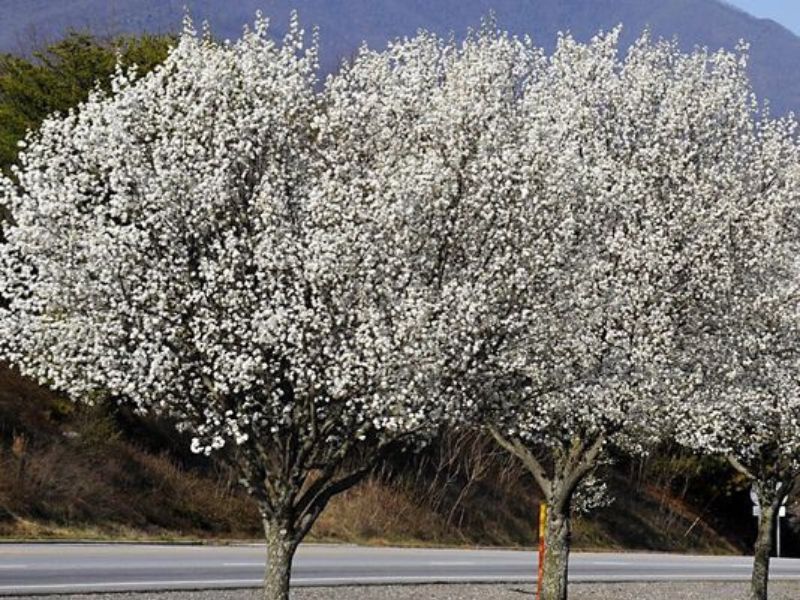
Why landscapers avoid it:
- Structurally weak branches
- Extremely prone to storm damage
- Short lifespan
- Aggressive, invasive spread in NJ
- Frequent splitting as trees mature
Bradford Pears can often look great for 10 or more years… and then become a major liability. Many municipalities now discourage or ban them.
Better alternatives:
- Serviceberry
- Redbud
- Flowering Dogwood
These alternatives provide beauty without the long-term risk.
2. Bamboo (Any Non-Contained Variety)
Why homeowners plant it:
Instant privacy.
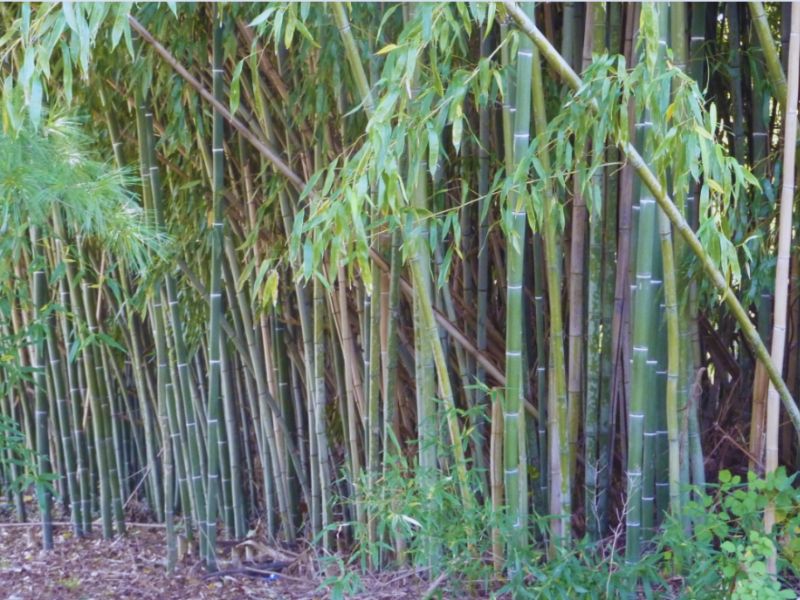
Why landscapers cringe:
- Extremely invasive root systems
- Spreads into neighboring properties
- Can damage patios, walkways, and foundations
- Very expensive to remove once established
Uncontained bamboo is one of the most common landscaping regrets we hear about.
Better alternatives:
- Green Giant Arborvitae
- Skip Laurel
- Nellie Stevens Holly
The good news is that you can still have your privacy without a lifelong problem.
3. English Ivy
Why homeowners plant it:
Fast-growing ground cover. Looks “classic.”
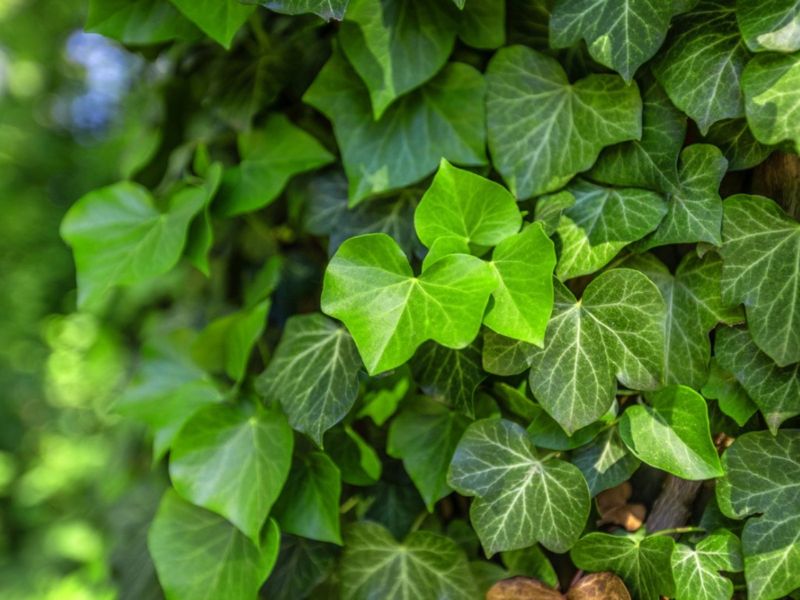
Why landscapers warn against it:
- Smothers other plants
- Damages siding, brick, and wood
- Harbors pests
- Difficult to fully remove
- Invasive in NJ
English Ivy often becomes a maintenance nightmare that overtakes everything around it.
Better alternatives:
- Pachysandra
- Creeping Phlox
- Native groundcovers like Wild Ginger
4. Leyland Cypress (Planted in the Wrong Conditions)
Why homeowners plant it:
Extremely fast-growing privacy tree.
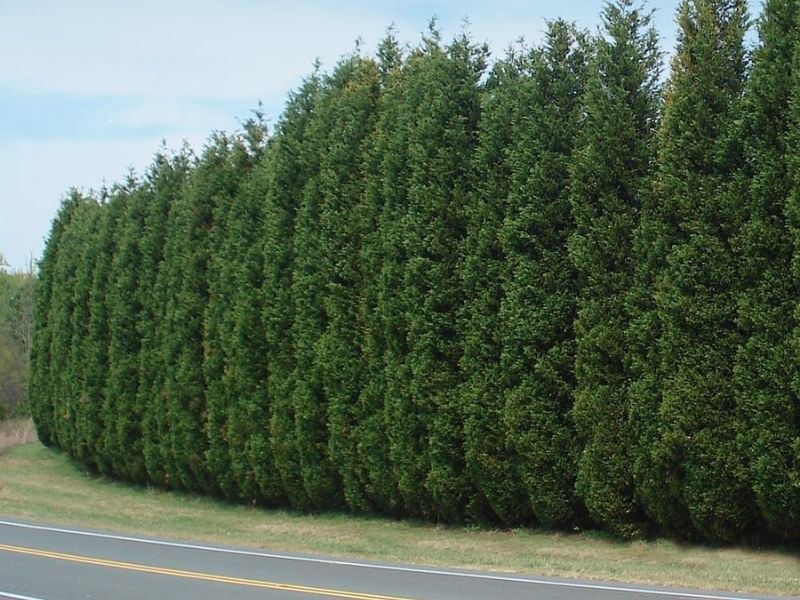
Why landscapers are cautious:
- Sensitive to poor drainage
- Susceptible to disease in compacted soil
- Outgrows small yards quickly
- Requires space to stay healthy
Leylands can work — but only when planted in well-drained soil with proper spacing. When planted incorrectly, they often decline fast.
Better alternatives:
- Green Giant Arborvitae
- Japanese Cedar
- American Holly
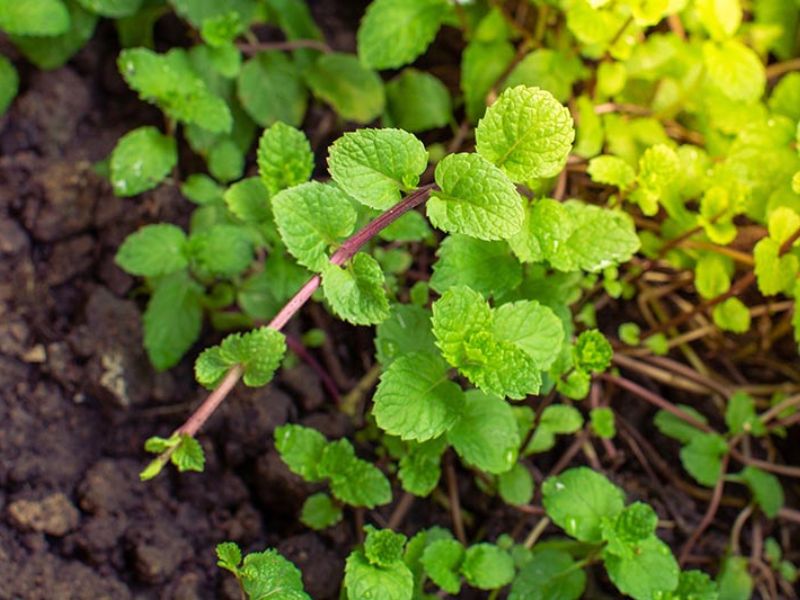
5. Mint (Anywhere that is Not Strictly Contained)
Why homeowners plant it:
Smells great. Easy to grow.
Why landscapers avoid it:
- Spreads aggressively underground
- Takes over garden beds
- Nearly impossible to remove fully
- Crowds out other plants
*Mint belongs in containers only, not open soil.
Better alternatives:
- Lavender
- Sage
- Thyme
The Real Problem Isn’t the Plant, It’s the Placement
Most landscaping regrets don’t come from “bad plants.”
They come from plants that were chosen without understanding how they grow over time.
Before planting anything, always consider:
✔ Mature size
✔ Root behavior
✔ Sun and soil needs
✔ Long-term maintenance
✔ Impact on nearby structures
That’s the difference between a landscape that thrives… and one that constantly needs fixing.
Which Plants Should You Choose Instead?
If there’s one takeaway from this list, it’s this: The best plant isn’t the fastest-growing or the most eye-catching, it’s the one that fits your lifestyle and your property long-term.
When choosing plants for your NJ landscape, landscapers typically prioritize:
- Mature size (height and width)
- Root behavior and spread
- Soil tolerance (especially clay or wet areas)
- Sun vs. shade exposure
- Maintenance requirements over time
- Proximity to structures, walkways, and property lines
In many cases, homeowners are much happier choosing:
- Native or climate-adapted plants
- Slower-growing but more stable species
- Plants with predictable growth habits
- Shrubs and trees that require minimal pruning
- Varieties proven to thrive in New Jersey conditions
This is also why landscapes designed with intentional spacing, plant diversity, and long-term growth in mind tend to look better – and cost less to maintain – as the years go on.
If you’re planning updates this spring, using this list as a reference can help you avoid common regrets and choose plants that stay beautiful, healthy, and manageable over time.
A little planning now saves a lot of frustration later.
The Better Landscaping Company in Westfield, Fanwood, & Scotch Plains NJ
These plants aren’t evil, but they’re often misunderstood. Landscapers see the aftermath when things go wrong, which is why smarter plant choices lead to lower maintenance, fewer repairs, and better-looking yards long-term.
If you’re planning changes this spring, choosing the right plants now saves years of frustration later.
Start planning your 2026 landscape design with PHR!
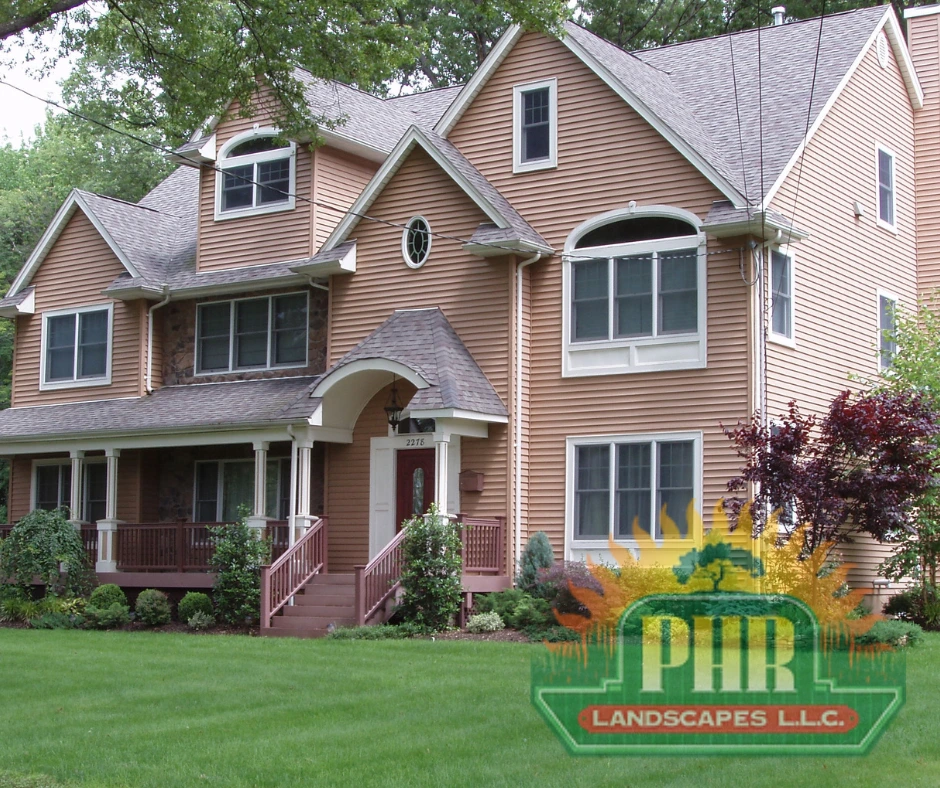
Maintaining a manicured landscape starts with consistent, professional care – and that’s where we come in!
💡 If you’re looking for a dependable, experienced landscaping services in Scotch Plains, Fanwood, Westfield, and Surrounding Areas, we’re here to help.
👉 Call PHR Today to Schedule Your Free Consultation
👉 Landscape Design in Westfield, Fanwood, Scotch Plains and Surrounding Areas
Share This Post with Friends & Colleagues

Follow us on Facebook @PHRLandscapes
Phone: (908) 322-6500
Email: sales@phrlandscapes.com
1590 E. 2nd Street, Scotch Plains, NJ 07076
