

Ten Plants That Deer Are Less Likely to Disturb
If you live in Central New Jersey, chances are you’ve experienced it:
You plant new flowers or shrubs…
They look great for a few days…
And then overnight – *poof* – they’re gone.
Deer are one of the most common challenges homeowners face when it comes to landscaping in areas like Scotch Plains, Fanwood, Westfield, and surrounding towns.
While no plant is completely deer-proof, there are many that are considered ‘deer resistant plants’ that are far less likely to be eaten.
Choosing the right plants can make a major difference in protecting your landscape.
What “Deer Resistant Plants” Really Means
It’s important to understand that no plant is 100% safe from deer.
If food is scarce enough, deer will eat almost anything.
However, certain plants are naturally avoided because they have:
- Strong scents
- Bitter taste
- Fuzzy or coarse textures
- Toxic properties
These plants are considered deer-resistant, meaning they are less appealing and more likely to be left alone.
1. Boxwood (Buxus spp.)
Boxwoods are a staple in landscape design and are generally avoided by deer due to their strong scent and dense foliage.

They are commonly used in:
- Foundation plantings
- Hedges
- Formal landscape designs
2. Lavender (Lavandula Angustifolia)
Lavender’s strong fragrance makes it unappealing to deer.
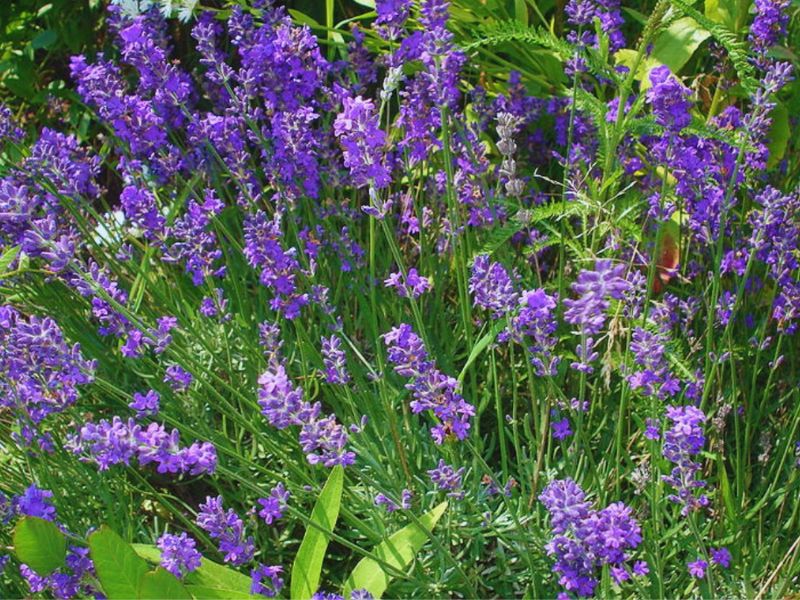
It also adds:
- Beautiful purple blooms
- A calming scent
- Pollinator benefits
3. Russian Sage (Perovskia Atriplicifolia)
This hardy perennial features silvery foliage and a strong aroma, which deer tend to avoid.
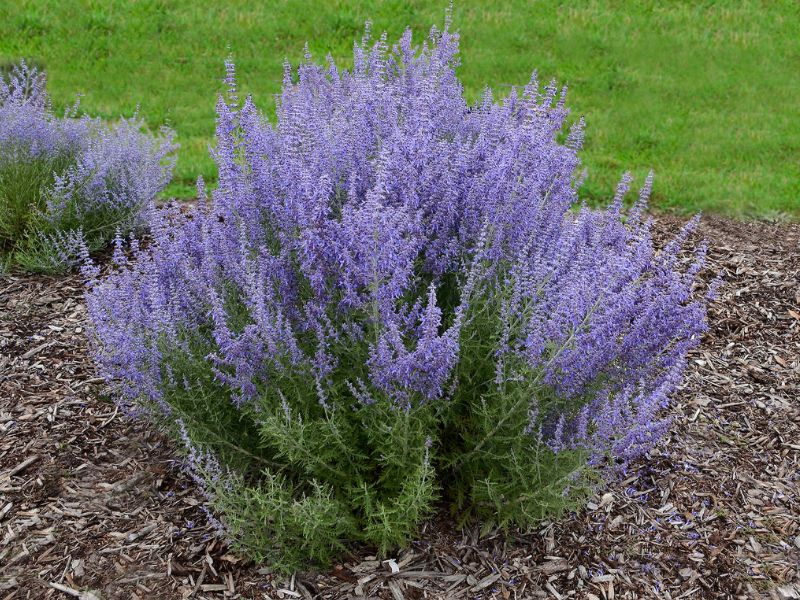
It thrives in:
- Full sun
- Dry conditions
4. Salvia (Salvia Nemorosa)
Salvia is both deer-resistant and pollinator-friendly, making it a great dual-purpose plant.
Its aromatic foliage helps deter browsing.
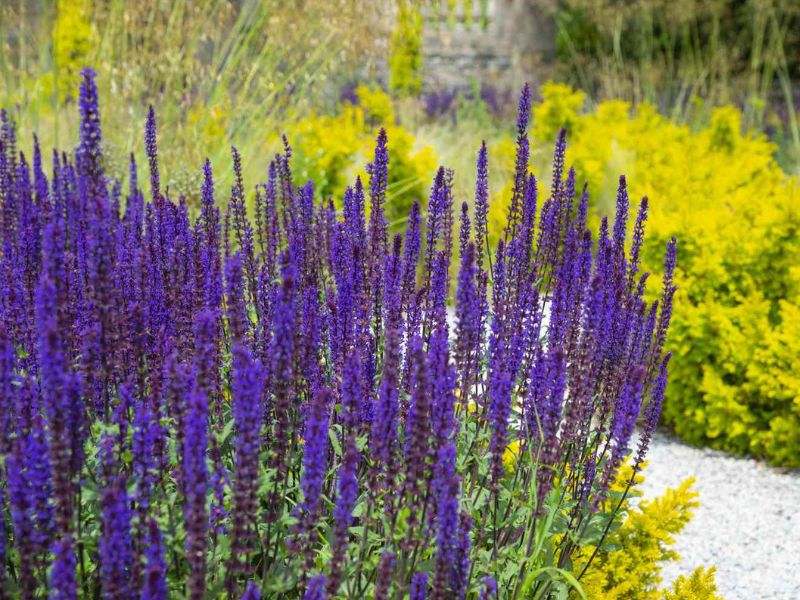
- Produces long-lasting blooms, attracts pollinators
- Thrives in full sun, drought tolerant
5. Ornamental Grasses (e.g., Miscanthus Sinensis)
Most ornamental grasses have coarse textures that deer do not enjoy eating.
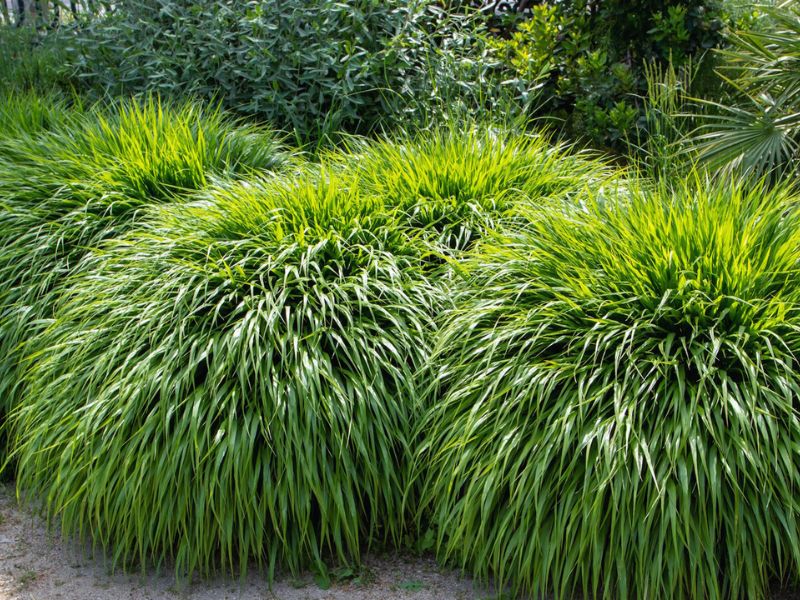
They also add:
- Movement
- Structure
- Year-round interest
6. Yarrow (Achillea Millefolium)
Yarrow features feathery foliage and a strong scent, making it less attractive to deer.
It’s also drought tolerant and easy to maintain.
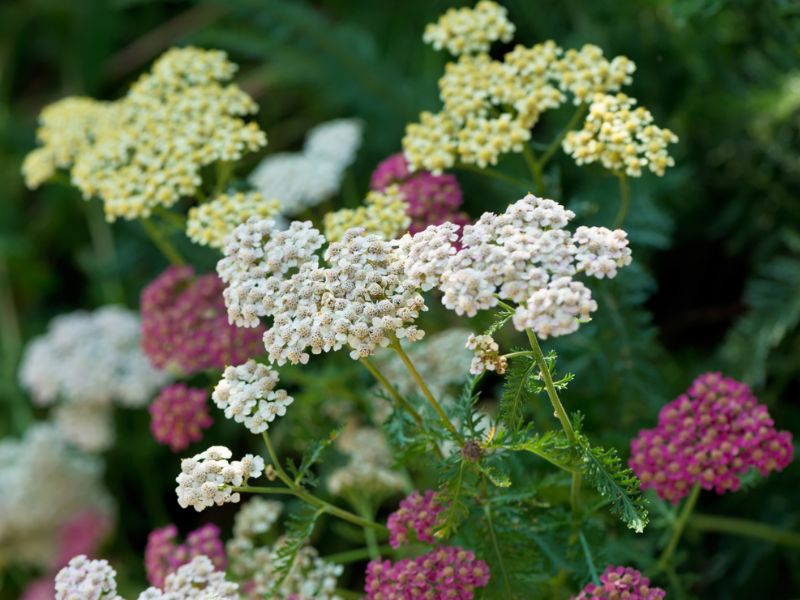
- Strong scent helps deter deer
- Highly drought tolerant and thrives in poor soil
- Produces long-lasting, blooms that attract pollinators
7. Lamb’s Ear (Stachys byzantina)
This plant is known for its soft, fuzzy leaves, which deer tend to avoid.
It works well as a ground cover in sunny or partially shaded areas.
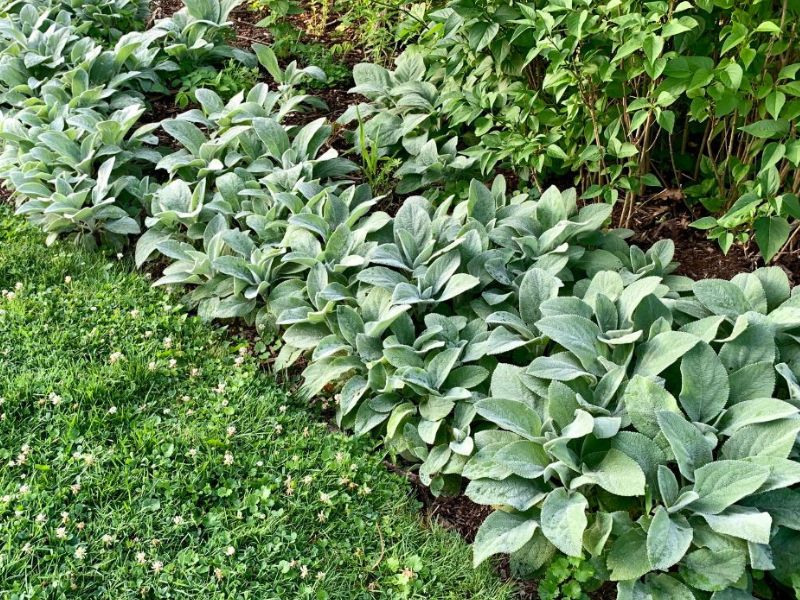
- Soft, fuzzy leaves that deer typically avoid
- Ground cover for sunny or partial shade areas
- Very low maintenance and drought tolerant
8. Barberry (Berberis thunbergii)
Barberry shrubs are avoided due to their thorny branches, which act as a physical deterrent.
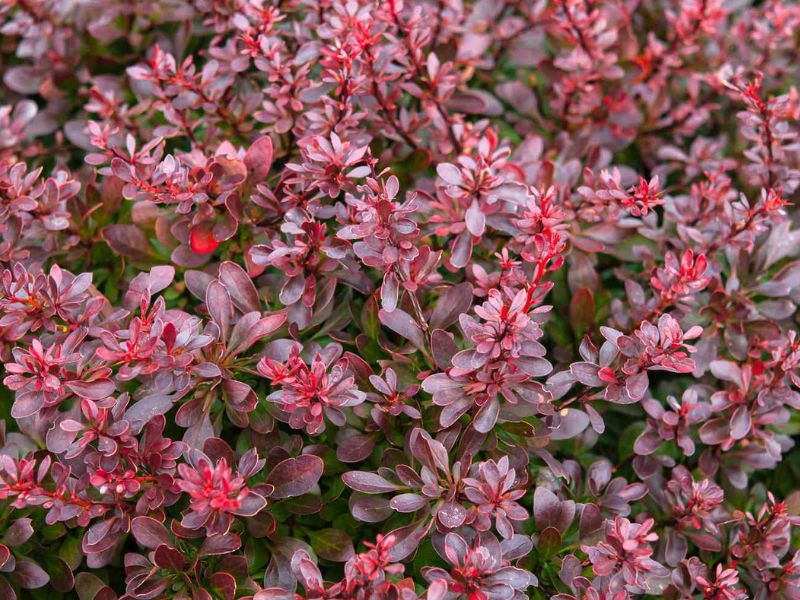
They are often used for:
- Borders
- Security planting
- Color contrast
9. Catmint (Nepeta faassenii)
Catmint has a strong scent and long blooming period, making it both deer-resistant and visually appealing.
It’s also very low maintenance.
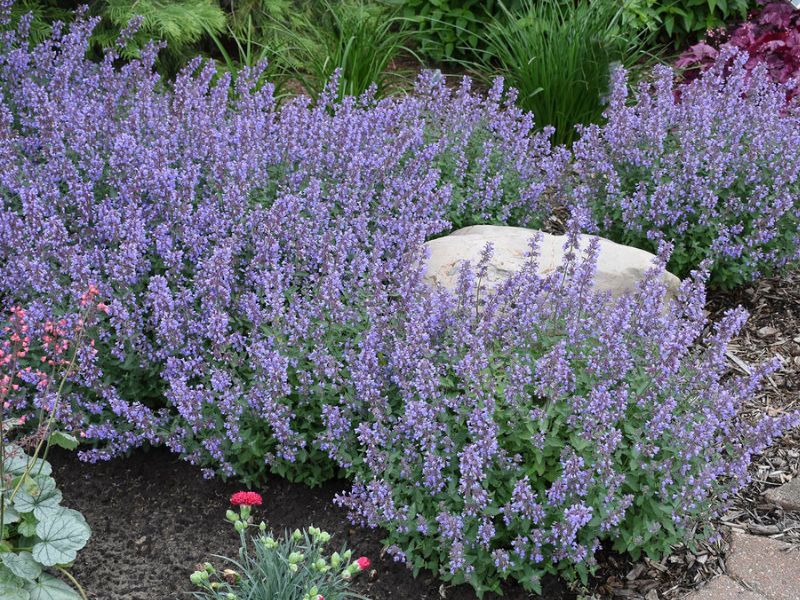
- Aromatic foliage naturally repels deer
- Long blooming season with soft purple-blue flowers
- Extremely hardy and requires minimal upkeep
10. Peonies (Paeonia lactiflora)
Peonies are known for their large, showy blooms, and while deer may occasionally nibble, they generally leave them alone.
They are a favorite for adding seasonal impact to garden beds.
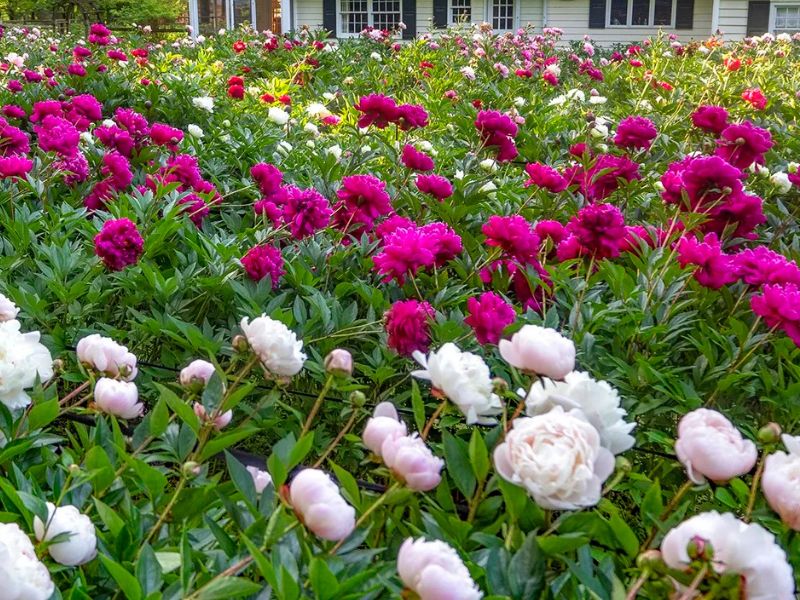
- Generally avoided by deer despite large blooms
- Long-lived perennials that return stronger each year
- Produce large flowers that add strong seasonal impact
How to Better Protect Your Landscape from Deer
Even with deer resistant plants, smart planning can make a big difference.
Some effective strategies include:
- Planting in groups rather than isolated plants
- Using deer-resistant plants near the edges of your property
- Avoiding highly attractive plants in exposed areas
- Applying deer deterrents during peak feeding seasons
The goal is to make your landscape less appealing overall, not just rely on individual plants.
The Better Landscaping Company in Westfield, Fanwood, & Scotch Plains NJ
Choosing the Right Plants Makes All the Difference
Dealing with deer can be frustrating, but the right plant selection can make a noticeable difference in how well your landscape holds up.
By incorporating deer-resistant plants, homeowners can:
- Reduce damage to their landscaping
- Lower maintenance and replacement costs
- Enjoy a more consistent, long-lasting landscape
At PHR Landscapes, we help homeowners design landscapes that not only look great—but also work with the realities of our local environment.
Because in New Jersey, that always includes deer.
If you’re thinking about upgrading your yard this season, our team would be happy to help bring your landscape vision to life. Start planning your 2026 landscape design with PHR!
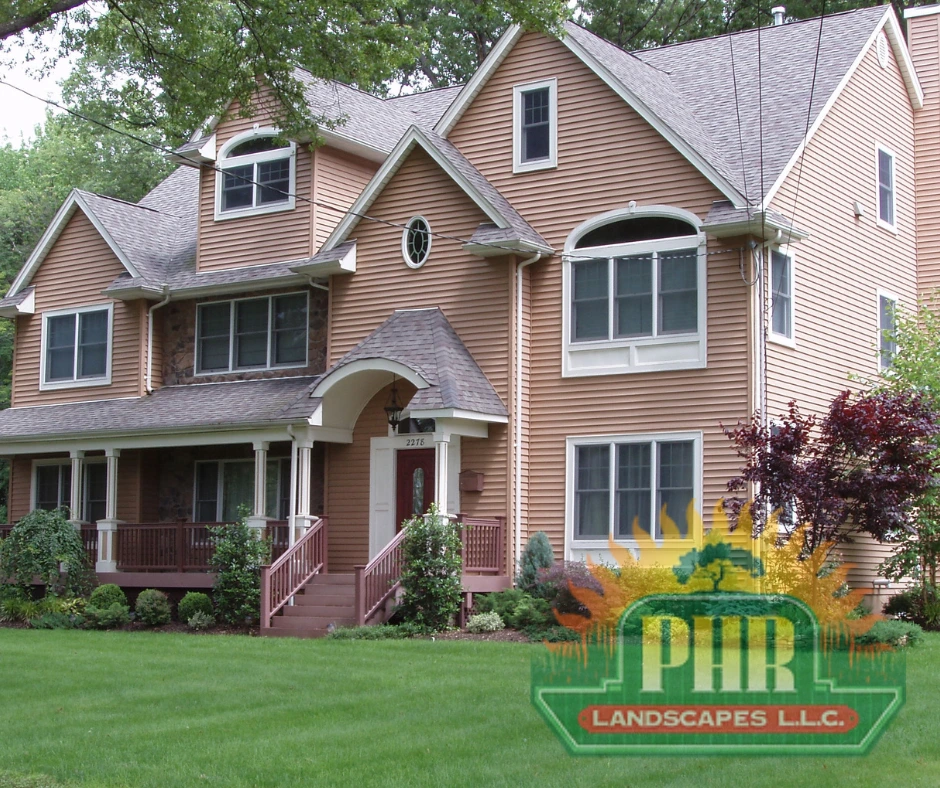
Maintaining a manicured landscape starts with consistent, professional care – and that’s where we come in!
💡 If you’re looking for a dependable, experienced landscaping services in Scotch Plains, Fanwood, Westfield, and Surrounding Areas, we’re here to help.
👉 Call PHR Today to Schedule Your Free Consultation
👉 Landscape Design in Westfield, Fanwood, Scotch Plains and Surrounding Areas
Share This Post with Friends & Colleagues

Follow us on Facebook @PHRLandscapes
Phone: (908) 322-6500
Email: sales@phrlandscapes.com
1590 E. 2nd Street, Scotch Plains, NJ 07076
