

A Seed vs. Sod Comparison for Lawn Renovations in New Jersey
A tired lawn can reach a point where another round of fertilizer, spot seeding, or weed control is no longer enough.
Bare soil begins showing through. Weeds occupy more space than grass. Low areas remain muddy after rain, while compacted sections become hard and dry. The lawn may look uneven, struggle beneath trees, or fail every year despite repeated attempts to repair it.
Once a lawn reaches that stage, homeowners usually begin asking the same question:
Should we install grass seed or sod? Which is better?
Both can produce a healthy, attractive lawn. Seed generally offers more flexibility and a lower initial material cost, while sod provides a finished appearance almost immediately. But choosing between them involves more than comparing price and speed.
A new lawn will only perform as well as the ground beneath it.
Before seed is spread or sod is rolled into place, the property may need drainage correction, grading, soil preparation, weed removal, or changes to how the yard is used. Installing new grass without addressing the reason the old lawn failed can leave homeowners facing the same problems again.

Looking for Lawn Renovation Services in Scotch Plains, Fanwood, Westfield or Surrounding NJ Areas?
Contact PHR Landscapes today for a FREE consultation at (908) 322-6500 or Sales@PHRlandscapes.com
Seed or Sod: Quick Answer
Seed may be the better choice when:
- The project has a more flexible timeline
- The lawn can be installed during the proper seeding season
- The homeowner wants more control over grass varieties
- A large area needs to be renovated economically
- The property contains a mixture of sun and shade
- The homeowner can consistently manage early watering
Sod may be the better choice when:
- An immediate finished appearance is important
- The lawn must be established outside the ideal seeding window
- Bare soil needs faster erosion protection
- Weed competition is a major concern
- Mud and exposed soil need to be covered quickly
- The budget allows for higher material and installation costs
Neither option is automatically better for every property.
The correct choice depends on the condition of the yard, installation season, soil, sunlight, drainage, expected foot traffic, budget, and how quickly the lawn needs to become established.
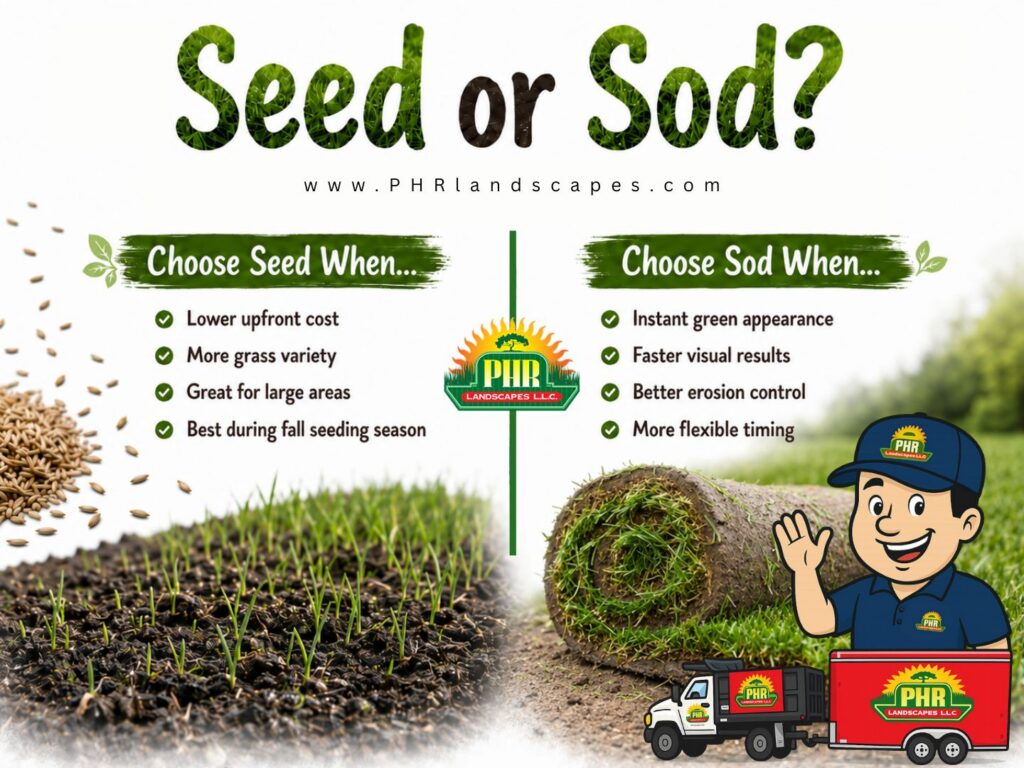
Does Your Lawn Need Repair or a Complete Renovation?
Not every thin lawn needs to be completely removed.
Overseeding may be enough when:
- Most of the lawn still contains desirable grass
- Bare or thin sections are relatively small
- The grade remains smooth and functional
- Drainage problems are minor or nonexistent
- Weeds are present but have not overtaken the property
- The soil can be improved through aeration and targeted preparation
A full lawn renovation may make more sense when:
- Weeds occupy much of the lawn
- Large areas contain dead or undesirable grass
- The surface is rough, sunken, or uneven
- Water repeatedly collects in low areas
- New construction has disturbed the soil
- The lawn needs to be reshaped around patios, walkways, or play areas
- Years of patching have produced inconsistent results
- The existing turf does not match the property’s sunlight or use
Rutgers notes that lawns containing less than approximately 30 percent desirable grass often require more extensive renovation. At that point, removing the failing surface and rebuilding the lawn may be more effective than continuing to patch isolated sections.
What Does a Complete Lawn Renovation Include?
Seed and sod create a new lawn in very different ways, but most of the renovation process is the same until the grass is actually installed.
Both options depend on the same foundation: understanding why the old lawn failed, correcting drainage and grading problems, preparing the soil, and creating a smooth, stable surface for the new lawn.
The real differences begin near the end of the project:
- Seed must germinate, fill in, and gradually develop into a mature lawn.
- Sod arrives as established turf but must root firmly into the prepared soil below.
Before either one can succeed, the property generally moves through the same core stages.
1. Evaluate the Existing Lawn
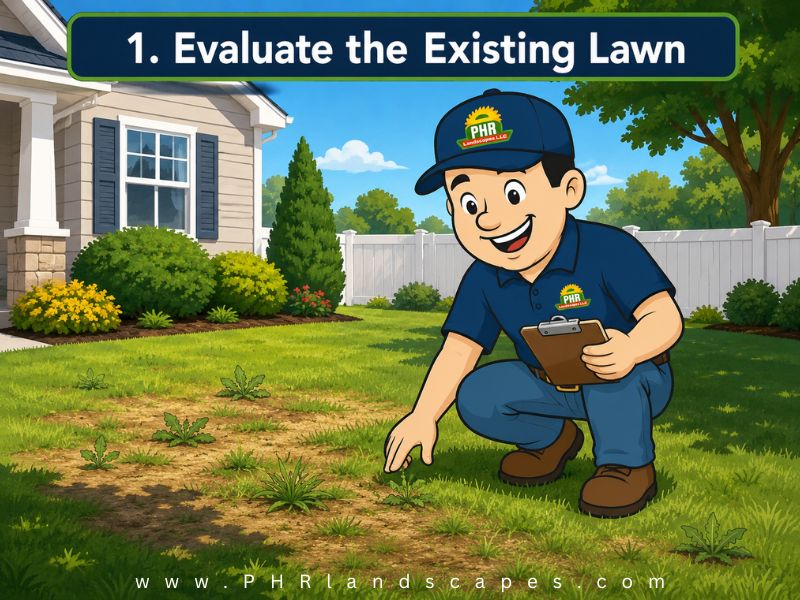
A successful renovation starts by determining why the current lawn is struggling.
Simply covering the property with new seed or sod may improve its appearance temporarily, but the same problems can return when the underlying cause is left unresolved.
A professional evaluation may consider:
- Sun and shade
- Drainage patterns
- Low spots and uneven areas
- Soil compaction
- Soil condition
- Weed pressure
- Tree-root competition
- Foot traffic
- Irrigation coverage
- Existing grass species
This first step helps determine whether the lawn needs targeted repairs, partial renovation, or complete replacement.
2. Decide What Should Remain
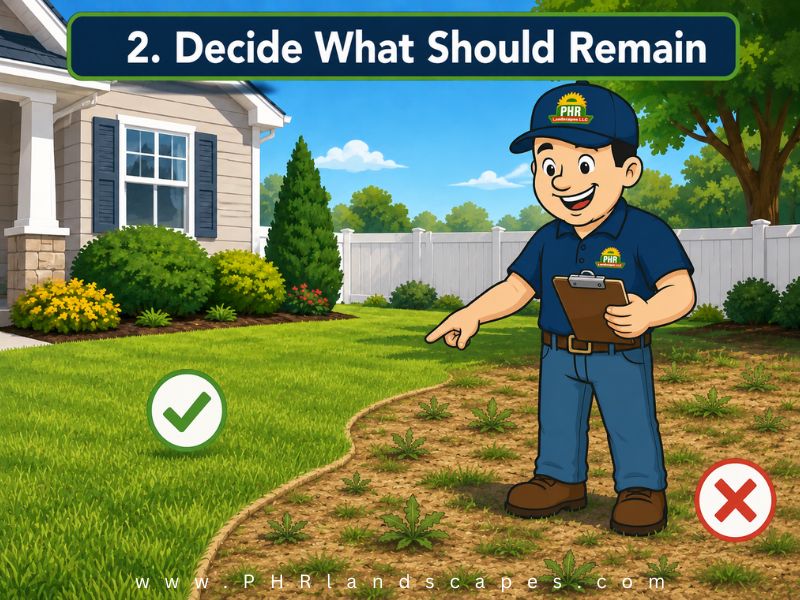
Not every section of an existing lawn needs to be removed.
Healthy turf may be preserved and improved through aeration, overseeding, or localized repairs. Areas dominated by weeds, dead grass, poor soil, or recurring drainage problems may need to be rebuilt entirely.
The goal is to keep what is still working and avoid carrying weak or undesirable turf into the renovated lawn.
3. Remove Failing Material
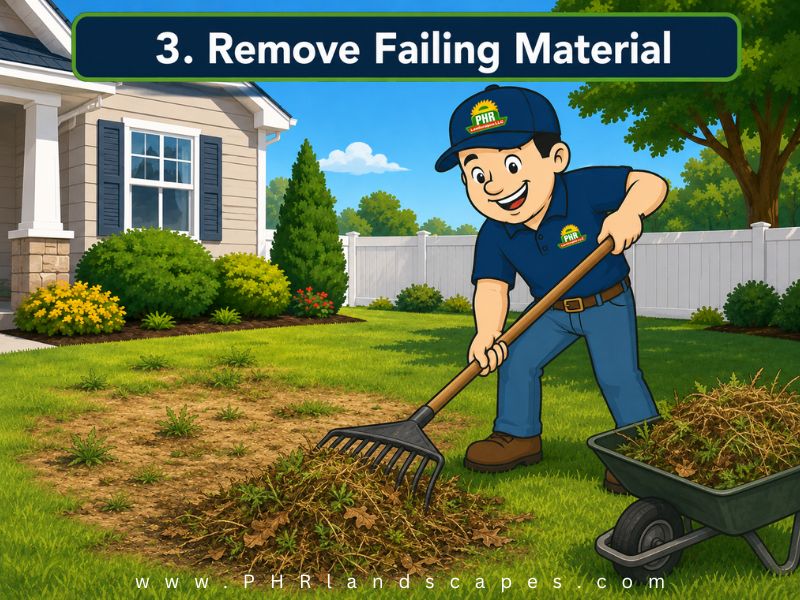
Once the renovation area has been identified, failing material must be cleared away.
This may include:
- Dead turf
- Thick thatch
- Weeds
- Undesirable grass
- Roots and debris
- Stones or construction material
Removing this layer allows the new lawn to make direct contact with properly prepared soil instead of being installed over the conditions that caused the original lawn to fail.
4. Correct Drainage and Grading
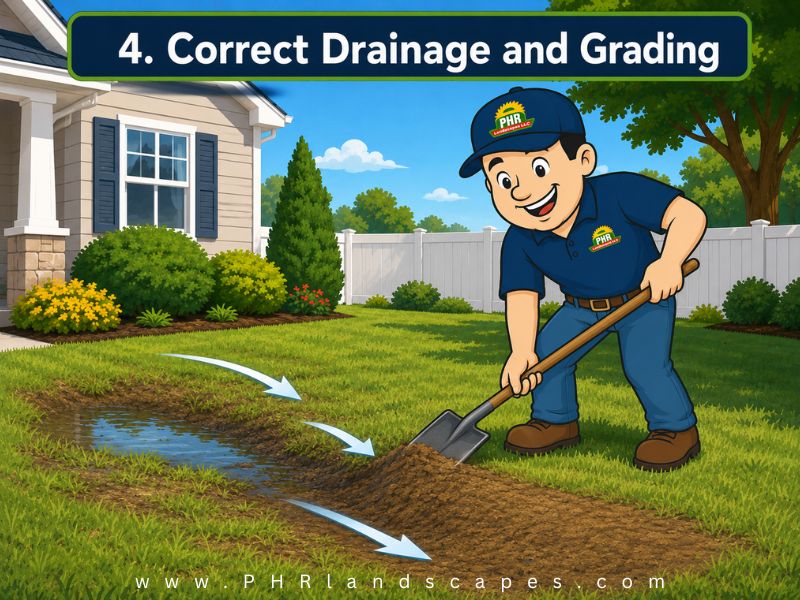
Drainage and grading should be addressed before either seed or sod is installed.
Low spots, improper slopes, concentrated downspout runoff, compacted areas, and water flowing from patios or neighboring sections of the property can all interfere with establishment.
A seeded lawn may wash out or germinate unevenly in these conditions. Sod may remain saturated, shift, develop weak roots, or decline after its initial green appearance.
The installation method changes, but both need a lawn surface that moves water properly.
5. Prepare the Soil
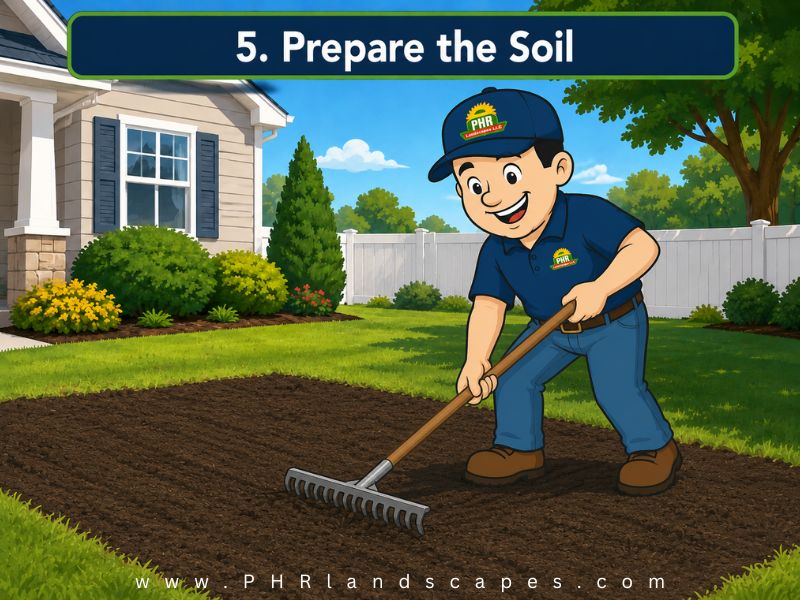
Once the grade and drainage are corrected, the soil is prepared to support new root growth.
Preparation may include:
- Loosening compacted areas
- Adding quality topsoil
- Incorporating appropriate amendments
- Removing stones and debris
- Establishing the final grade
- Smoothing and leveling the surface
This step creates the foundation shared by both options.
Seed needs direct soil contact to germinate properly. Sod needs close contact with the soil below so its roots can grow downward and firmly attach.
6. Install Seed or Sod
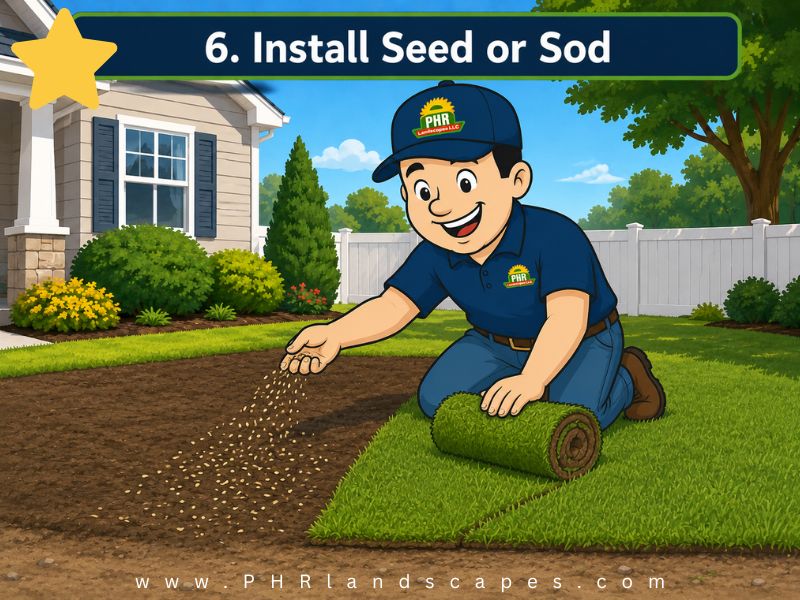
This is where the two renovation methods begin to separate.
Grass seed is spread evenly over the prepared surface and placed in direct contact with the soil. The lawn must then germinate, grow, and gradually fill in.
Sod is delivered as mature turf and installed tightly across the prepared surface. Seams are staggered, edges are fitted around landscape features, and the turf is positioned to create an immediate finished appearance.
Both methods depend on the same preparation—but their establishment process is very different.
7. Water According to the Installation Method
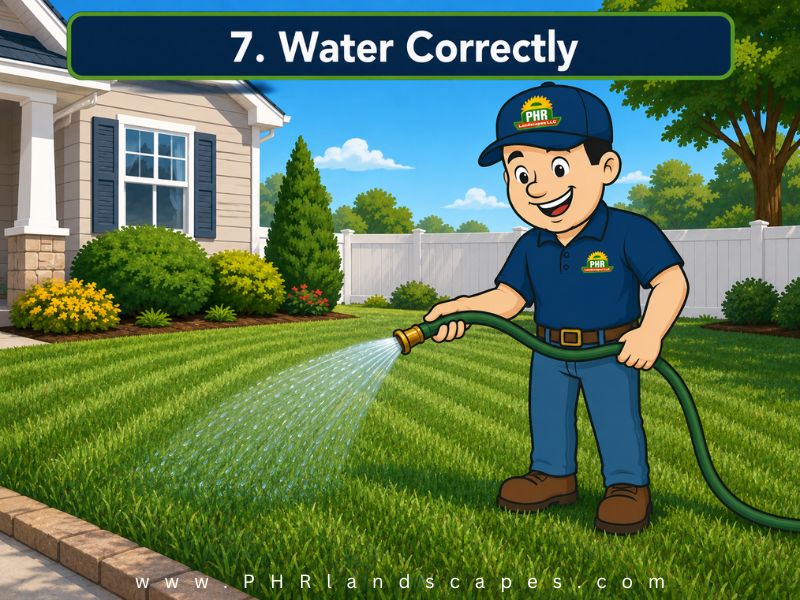
After installation, seed and sod require different watering strategies.
A newly seeded lawn needs frequent, light watering to keep the surface consistently moist during germination. Too little water can interrupt germination, while too much can move seed and create washout.
New sod needs enough water to keep both the turf and the prepared soil beneath it evenly moist while roots begin growing into the ground. Watering only the grass blades is not enough.
This is one of the most important points where the care process begins to differ.
8. Protect the Lawn During Establishment
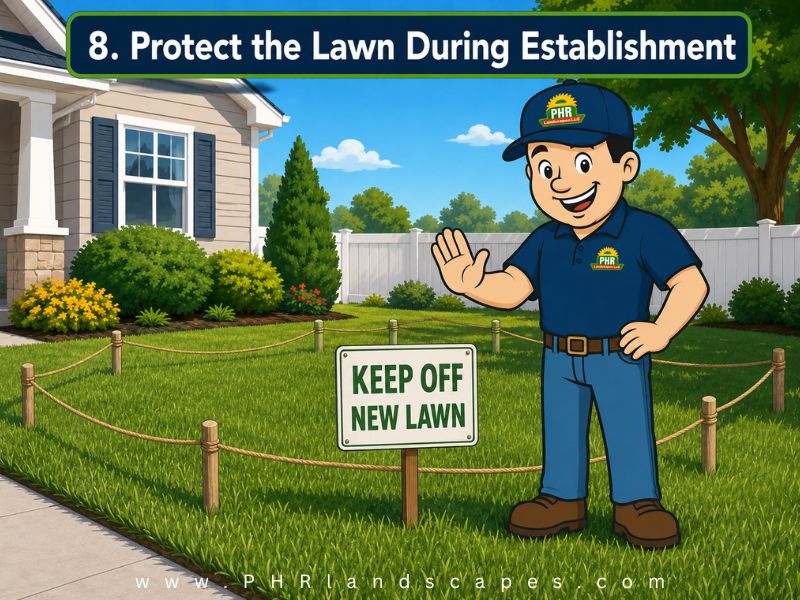
Both seeded and sodded lawns need time before they can handle regular use.
Foot traffic, pets, play, mowing, and equipment should be limited while the new lawn becomes established.
Seeded areas are especially vulnerable to displaced seed, damaged seedlings, and compacted soil. Sod may look finished immediately, but walking on it too soon can shift sections, separate seams, and interfere with rooting.
Seed & Sod: A Shared Foundation
Seed and sod offer different timelines, costs, and visual results, but neither one can compensate for poor preparation. A successful lawn renovation begins the same way for both: diagnose the problem, correct the property, prepare the soil, and then install the option that best fits the home and client.
Seeded Lawn Renovations: Explained
A seeded lawn begins with grass seed applied directly to prepared soil.
The seed must remain in contact with the soil and receive consistent moisture while it germinates. Different grass species establish at different speeds, so the lawn gradually fills in rather than appearing complete immediately.
Seed blends can be selected according to:
- Sunlight
- Shade
- Soil drainage
- Expected foot traffic
- Desired appearance
- Maintenance preferences
- Heat and drought tolerance
- Disease resistance
Rutgers recommends selecting quality seed adapted to the property. Mixtures containing multiple grass species or varieties can improve adaptability where a yard contains a combination of sunny, shady, dry, and moist areas.
Benefits of Choosing Grass Seed
Seed generally costs less than sod
Seed normally has a lower material cost per square foot, making it attractive for large backyards and complete-property renovations.
The total project cost still depends on preparation. Removing the old lawn, correcting the grade, adding topsoil, improving drainage, and preparing the seedbed can represent a substantial part of the renovation regardless of how the new grass is installed.
Seed offers more variety
Homeowners can choose from a wider range of grass species, cultivars, and blends.
This is especially useful for properties containing:
- Full-sun areas
- Partial shade
- High-traffic areas
- Drier sections
- Different soil conditions
- Front and backyard areas with different uses
Seed works well around irregular spaces
Seed can be spread evenly around curved beds, stepping stones, trees, play areas, and narrow lawn sections without cutting and fitting individual pieces.
The new lawn establishes directly in the prepared soil
When installation and watering are handled correctly, roots develop in the soil where the grass will remain.
Seed is practical for large renovations
For homeowners willing to wait for germination and early development, seed can be a cost-conscious way to renovate a large property.
PHR Landscapes recently used tall fescue seed during a complete backyard renovation in Westfield after the existing lawn was removed, the property was regraded, and new topsoil was installed. The client selected seed instead of sod based on the project goals and preferred renovation approach.
Disadvantages of Choosing Grass Seed
The lawn does not look finished immediately
A seeded property initially consists of prepared soil and newly applied seed. Germination and fill-in happen gradually.
Timing is more restrictive
Seed needs enough favorable growing weather to germinate and develop before extreme heat or freezing conditions arrive.
Watering requires close attention
The seedbed must remain consistently moist during germination. Allowing it to dry can reduce establishment, while applying too much water can wash seed into low areas.
Heavy rain can move seed
Slopes, exposed soil, downspout runoff, and poorly graded areas are particularly vulnerable to washout.
Weeds may appear during establishment
Open soil creates an opportunity for weed seeds to germinate while the new grass is still developing.
The lawn needs protection for longer
Children, pets, equipment, and regular foot traffic can disturb seedlings and compact moist soil before the lawn becomes established.
Sod Lawn Renovations: Explained
Sod is mature grass grown and maintained on a specialized turf farm.
The grass, roots, and a shallow soil layer are harvested together, cut into rolls or slabs, transported to the property, and installed across prepared soil.
The pieces are fitted closely together to create the appearance of a finished lawn. The sod must then develop roots into the soil beneath it before the lawn can support normal use.
Rutgers describes sodding as the quickest lawn-establishment method when appearance and timing are major considerations.
Benefits of Choosing Sod
Sod creates an immediate visual transformation
A bare property can appear green and finished as soon as installation is complete.
This makes sod especially attractive for:
- Front-yard renovations
- Properties being prepared for sale
- Recently completed construction
- Highly visible landscape projects
- Homeowners who do not want to wait for seed to fill in
Sod establishes faster
The grass is already mature. Its primary task is developing roots into the prepared soil.
The lawn still requires a protected establishment period, but the visual result is much faster than seed.
Sod helps stabilize exposed soil
Sod provides immediate surface coverage, making it useful on certain slopes or areas where bare soil is vulnerable to erosion.
Rutgers identifies immediate soil stabilization and protection from washouts among the primary advantages of sod.
Sod reduces early weed competition
Dense, healthy sod covers the soil immediately, leaving fewer open spaces where weeds can establish.
Sod offers a wider installation window
Seed needs a favorable period for germination and early growth. Sod can generally be installed whenever the soil can be prepared properly and the turf can be watered and protected during establishment.
Disadvantages of Choosing Sod
Sod costs more
The mature turf must be grown, harvested, transported, and installed quickly. Material and labor costs are therefore higher than seed.
Grass selection may be more limited
Local sod availability determines which species and blends can be installed. Seed usually provides more opportunities to customize the lawn for varying site conditions.
Sod is heavy and labor-intensive
The rolls must be transported, moved across the property, cut around beds and obstacles, fitted tightly, and installed before drying out.
Sod is highly perishable
Fresh sod should be installed promptly after delivery. Rolls left stacked in warm conditions can deteriorate quickly.
Sod still requires substantial watering
An instant green appearance does not mean the lawn is established.
The sod and prepared soil beneath it must be kept evenly moist while new roots form. Poor watering can cause shrinking seams, browning, weak rooting, and turf loss.
Sod does not hide poor preparation forever
Laying sod over compacted, uneven, poorly drained, or nutrient-deficient soil can produce a short-term visual improvement without creating a healthy long-term lawn.
Seed vs. Sod: Quick Comparison Chart
| Consideration | Seed | Sod |
|---|---|---|
| Initial appearance | Bare soil followed by gradual growth | Finished green appearance immediately |
| Material cost | Generally lower | Generally higher |
| Grass selection | Wide range of species and blends | Limited to locally available sod |
| Best installation timing | Narrower seasonal window | More flexible when soil can be prepared |
| Weed competition | Greater during establishment | Lower with dense, healthy sod |
| Erosion protection | Limited until grass develops | Immediate surface stabilization |
| Installation | Easier material handling | Heavy and labor-intensive |
| Watering | Frequent surface moisture during germination | Consistent moisture while roots establish |
| Foot traffic | Must be restricted for an extended period | Must remain limited until rooted |
| Irregular spaces | Easy to cover | Requires measuring and cutting |
| Visual patience required | High | Low |
| Site preparation required | Yes | Yes |
Soil Preparation is Necessary for Both Seed and Sod
Seed and sod are different installation materials, but their needs below the surface are similar.
A new lawn needs soil that supports:
- Root growth
- Moisture movement
- Air movement
- Nutrient availability
- Consistent grading
- Appropriate drainage
Soil testing
A soil test can identify pH and nutrient conditions before lime or fertilizer is applied.
Rutgers recommends soil testing for new lawn establishment because the results provide specific guidance for lime and nutrient requirements.
This is more reliable than automatically applying lime because “New Jersey soil is acidic.” Some properties may need lime, while others may not.
Compaction correction
Construction traffic, repeated foot traffic, equipment, and years of use can compress the soil.
Minor compaction may be improved through core aeration. Severe compaction may require loosening, amending, or replacing part of the growing layer.
Topsoil preparation
Topsoil may be added to improve the growing surface, complete the final grade, and create a smoother lawn.
Grading
The lawn should move water away from structures and avoid unnecessary low areas.
Poor grading can cause:
- Seed washout
- Saturated sod
- Muddy depressions
- Thin grass
- Erosion
- Uneven mowing
- Water near patios or foundations
Fertility
Fertilizer and lime should be selected according to the site and, where possible, a soil test.
New Jersey limits phosphorus use on established turf, although state law includes exceptions for establishing or repairing turf and for applications supported by soil-test recommendations.
Watering a Newly Seeded Lawn
New seed needs consistent surface moisture during germination.
The goal is to keep the upper soil layer moist without creating puddles, runoff, or washout. This may require several light watering cycles during warm or windy weather.
As the grass germinates and begins developing roots, watering should gradually shift from frequent surface applications toward deeper and less frequent irrigation.
Exact timing varies according to:
- Grass species
- Weather
- Soil
- Shade
- Slope
- Irrigation coverage
- Germination progress
The biggest early risks are allowing the seedbed to dry completely or applying enough water to move the seed.
Watering Newly Installed Sod
Sod should be watered promptly after installation so both the turf and prepared soil beneath it become moist.
During early establishment, the sod should not be allowed to dry or shrink at the seams. Water must penetrate below the sod instead of only wetting the grass blades.
Once the roots begin attaching to the soil, irrigation can gradually transition toward deeper, less frequent watering.
Rutgers advises shifting established sod toward thorough, less frequent irrigation after it has knitted into the soil.
Adding topsoil alone does not correct every problem. It must be shaped properly and integrated into a broader preparation plan.
PHR’s Quick Notes: Seed and Sod
How Soon Can You Walk on Seed or Sod?
A newly installed lawn should be protected regardless of the method.
Seeded lawns
Traffic can:
- Move seed
- Damage seedlings
- Create compacted footprints
- Disturb wet soil
- Produce thin or bare paths
Normal use should wait until the lawn has grown enough to tolerate mowing and light traffic.
Sodded lawns
Sod looks finished immediately, but the roots have not yet attached firmly to the soil.
Walking on it too soon can:
- Shift pieces
- Create uneven areas
- Separate seams
- Compress wet soil
- Interfere with rooting
A gentle lifting test at the edge can help determine whether the sod has begun rooting, but establishment time varies with weather and care.
Is Seed or Sod Better for Dogs and Children?
Sod creates visual coverage faster, but neither lawn should receive immediate heavy use.
For families with children or pets, consider:
- How long the yard can remain restricted
- Whether part of the lawn can stay open
- How irrigation will affect access
- Whether pet traffic can be redirected
- How quickly muddy conditions need to be controlled
- Which grass will tolerate long-term activity
Sod may shorten the period of exposed soil, but it still needs time to root. Seed usually requires a longer protected establishment period.
For highly active yards, turf-type tall fescue is often considered because of its durability and adaptability, provided it is matched appropriately to the property.
Is Seed or Sod Better for a Sloped Yard?
Sod often provides faster surface stabilization on a slope because it covers the soil immediately.
Seed can still work, but it may require:
- Erosion-control blankets
- Straw or another suitable cover
- Careful irrigation
- Reduced runoff
- Proper grading
- Protection from heavy storms
The source of the runoff must also be addressed. Sod placed on a slope will not solve water flowing from a downspout, neighboring property, driveway, or improperly graded upper yard.
Is Seed or Sod Better for a Shady Yard?
Seed may offer more flexibility because a blend can include fine fescues or other grasses selected for lower-light conditions.
However, no grass performs well in extremely dense shade.
Before renovating, evaluate:
- Hours of direct sunlight
- Tree-canopy density
- Root competition
- Soil moisture
- Air circulation
- Leaf accumulation
- Traffic
In areas receiving too little light, expanding a landscape bed or using a shade-tolerant groundcover may be more practical than repeatedly replacing grass.
Can Seed and Sod Be Used on the Same Property?
Yes.
A hybrid approach may make sense when different sections have different priorities.
For example:
- Sod may be installed on a visible front lawn
- Seed may be used across a larger backyard
- Sod may stabilize a slope
- Seed may cover broad, level areas
- Sod may be used near a completed patio
- Seed may be used where a custom shade blend is needed
The University of Maryland Extension notes that a property does not need to use the same establishment method throughout; sod can be reserved for highly visible areas while seed is used where speed and immediate appearance are less important.
The transition between grass types should still be planned carefully so the final lawn has a reasonably consistent appearance and maintenance requirement.
Lawn Renovation Services in Scotch Plains, Fanwood and Westfield, NJ
At PHR Landscapes, lawn renovation begins by looking beyond the grass.
We evaluate the condition of the existing lawn, how water moves across the property, whether the soil is compacted, how the grade affects drainage, and how the yard will be used once the work is complete.
A new lawn should not simply cover the old problem. It should be built on a healthier, smoother, and more functional foundation, then finished with the establishment method that best fits the property.
PHR Landscapes provides Professional Landscaping, Hardscaping, and Maintenance services in Scotch Plains, Fanwood, Westfield, and surrounding New Jersey communities.
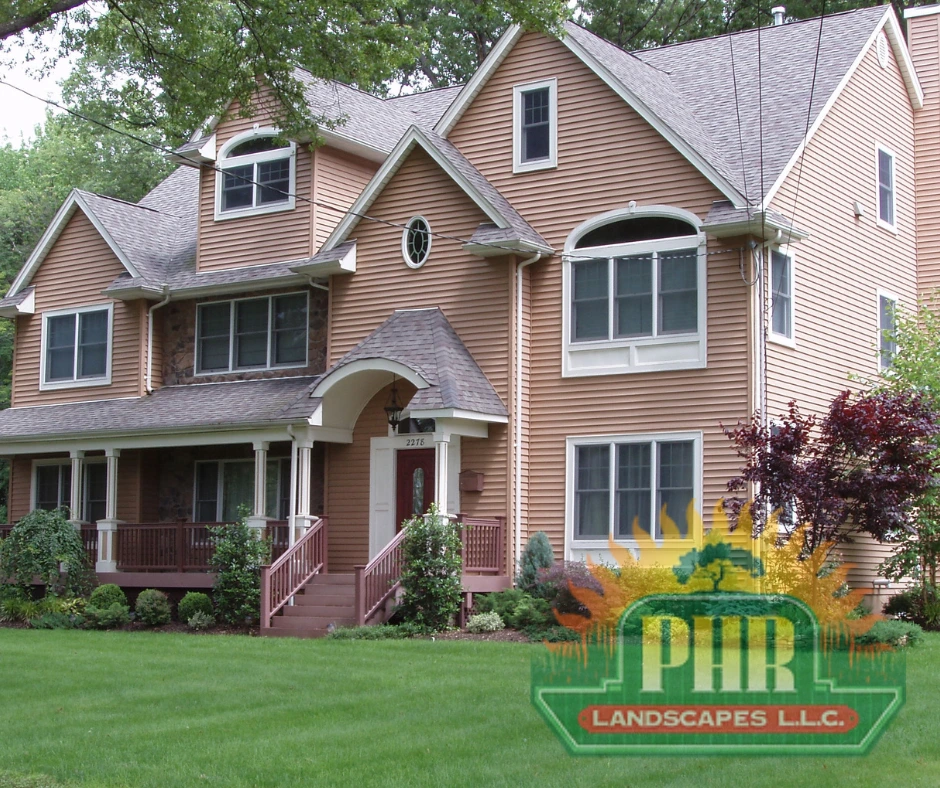
Creating a polished outdoor space starts with the right structure, materials, and professional craftsmanship – that’s where we come in!
💡 If you’re looking for a dependable, experienced landscaping services in Scotch Plains, Fanwood, Westfield, and Surrounding Areas, we’re here to help.
👉 Call PHR Today to Schedule Your Free Consultation
👉 Landscaping Services in Scotch Plains, Fanwood, Westfield and Surrounding Areas
Share This Post with Friends & Colleagues

Follow us on Facebook @PHRLandscapes
Phone: (908) 322-6500
Email: sales@phrlandscapes.com
1590 E. 2nd Street, Scotch Plains, NJ 07076

