

PHR’s Guide to Summer Watering Schedules: Grass, Plants, Trees
Hot, humid, yet sometimes bone-dry – New Jersey summers in Zone 7 can be rough on your lawn and landscape. Watering wisely isn’t just about keeping things green; it’s about helping your flora survive and thrive without wasting a drop. Here’s a no-fluff guide to summer watering schedules for lawn, plants, and trees:

Summer Watering Schedules
Lawn: Cool-Season Grasses
Most NJ lawns are cool-season grasses like Kentucky Bluegrass, Perennial Ryegrass, or Tall Fescue – all of which go under extreme stress in high heat.
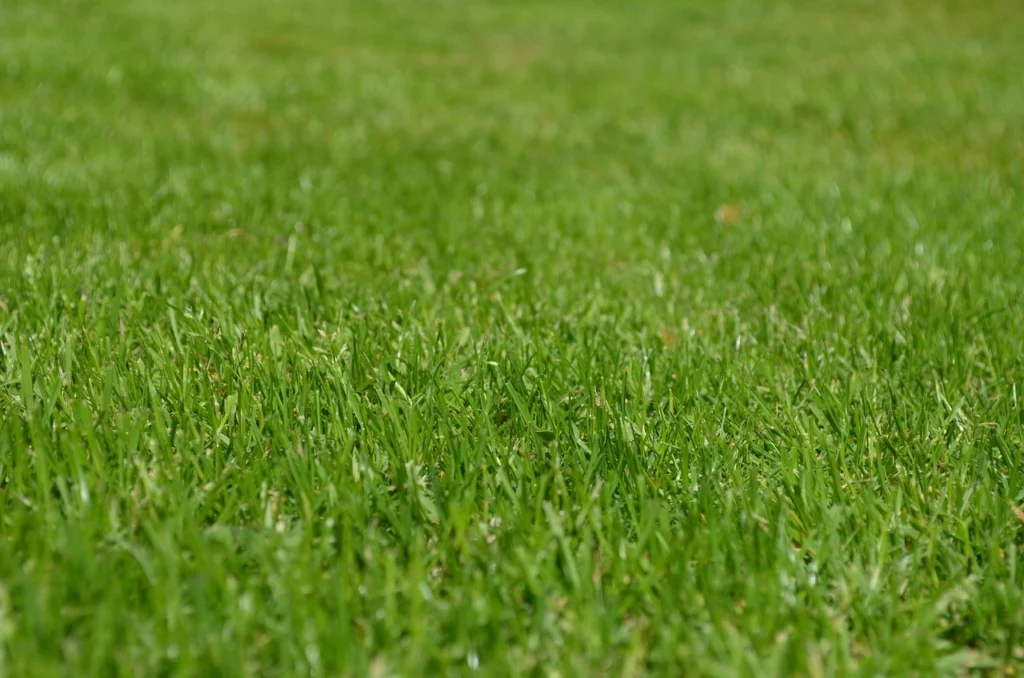
These grasses thrive in spring and fall but struggle in summer heat. When temps spike, they naturally slow their growth and can go dormant – turning brown but not dead. Don’t panic. It’s part of their survival strategy! (Read More in the next section)1
The goal is deep, infrequent watering. That means soaking the soil so moisture reaches 4–6 inches down, deep enough to encourage strong roots. Aim for 1 to 1.5 inches of water per week, including rainfall. If there’s no rain in sight, break that into two or three sessions per week. Early mornings – ideally before 9 a.m. – are best. Avoid watering your lawn in the evening, which increases the risk of fungal diseases, especially with New Jersey’s humidity.
Also important: mow high. Set your mower to leave the grass 3–4 inches tall. Taller blades shade the roots and retain moisture better.
If your lawn looks a little brown in the heat of summer, don’t overwater. If it’s been properly established and well cared for, it will bounce back quickly when cooler temps return.
Bonus: The Science Behind Cool-Season Grass Dormancy
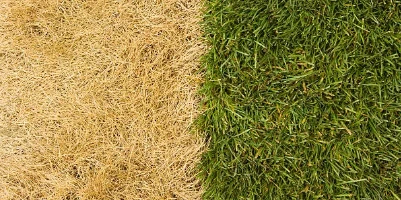
Cool-season grasses like Tall Fescue, Kentucky Bluegrass, and Perennial Ryegrass are well-adapted to New Jersey’s spring and fall climates, but when summer heat kicks in, they shift into survival mode. Once temperatures consistently rise above 85°F, these grasses often go dormant to conserve energy and moisture. Dormancy is a natural, protective mechanism where growth slows dramatically, blades turn brown, and the plant focuses on maintaining its root system. It’s not dead, just resting. During this phase, the grass essentially “shuts down” its photosynthetic activity and stops producing new blades, minimizing water loss through transpiration. Bluegrass and ryegrass typically enter dormancy faster than tall fescue, which has a deeper root system and higher drought tolerance. As long as the crown (the growth point at soil level) stays alive, the lawn can bounce back once temperatures drop and water becomes more available. Overwatering during dormancy can actually harm the lawn, encouraging fungal diseases or root rot. Instead, provide occasional deep watering – just enough (about ½ inch every 2–3 weeks) to keep the crowns alive without forcing new growth. Once cooler, wetter weather returns in fall, cool-season grasses green up quickly, often without any reseeding or special treatment.
Plants: Flowers, Shrubs & Bushes
Summer puts a lot of stress on flowering plants, shrubs, and bushes. But when looking at watering schedule for plants, how much is too much?
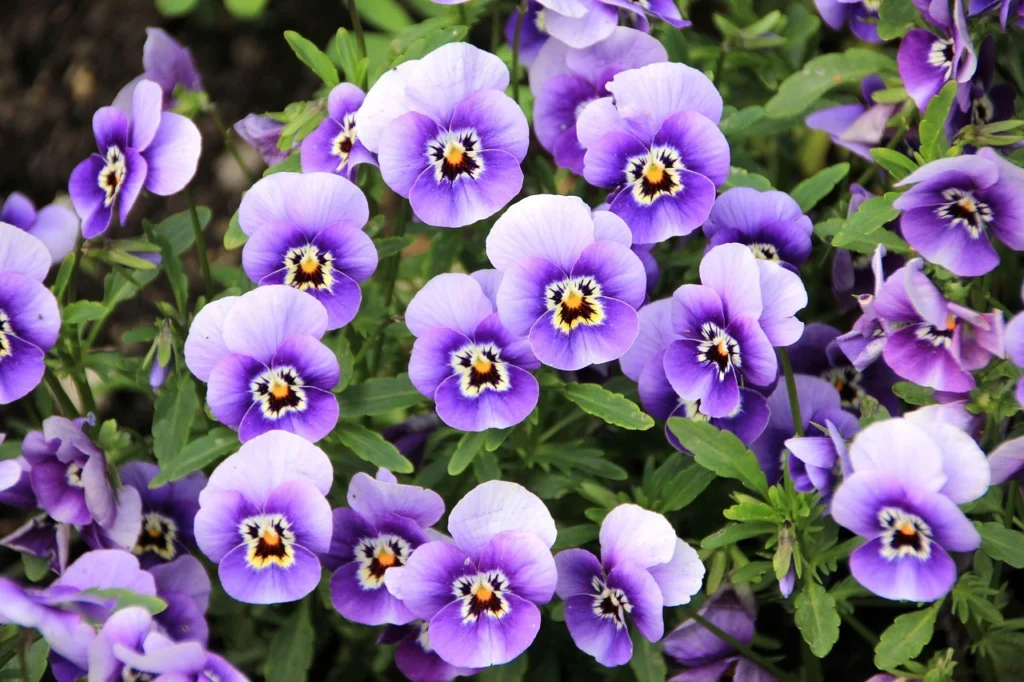
The key is deep, consistent watering tailored to the plant type and soil condition. Shallow watering, like a quick spray with the hose, barely penetrates the soil and encourages weak, surface-level roots. Instead, water at the base of the plant until the soil is moist several inches down.
For flower beds, a general rule is watering every 2–3 days, more often during heat waves or drought conditions. Popular perennials in Zone 7 like Black-Eyed Susans, Coneflowers, and Daylilies can handle some heat, but they still need reliable moisture. Annuals like Petunias or Impatiens tend to be thirstier and may need daily watering in full sun.
Shrubs and bushes – such as Hydrangeas, Azaleas, Boxwoods, or Spiraeas – benefit from a good soak once or twice a week, depending on age and exposure. Newly planted shrubs need more frequent watering for the first few weeks as they establish roots, think every other day, tapering down after a month.
Add 1-2 inches of mulch around plants to reduce water evaporation and regulate soil temperature. Just be sure not to let mulch touch the base of the stems, it can trap moisture and lead to rot.
Ornamental Trees: Deep Watering for Long-Term Health
Ornamental trees may seem low-maintenance, but summer heat can take a hidden toll – especially for younger trees or those planted within the last 1–3 years.
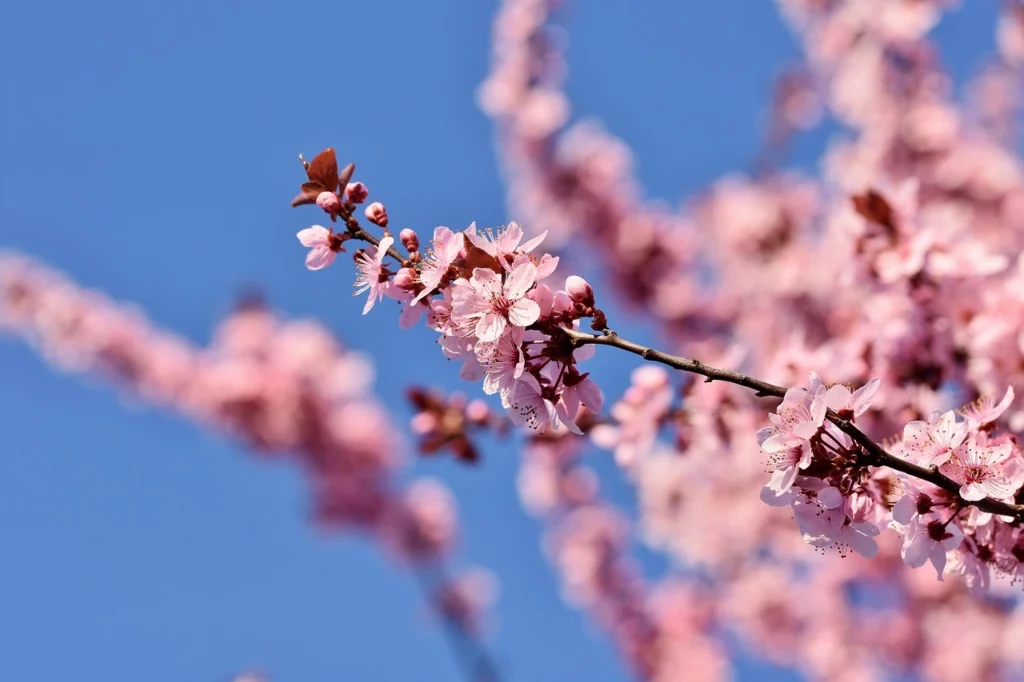
Even mature trees benefit from periodic deep watering during extended dry spells, especially shallow-rooted species like Dogwoods, Redbuds, or Japanese Maples.
Watering ornamental trees is about depth and patience. A slow, deep soak once per week is far better than frequent shallow sprays. You want the water to penetrate 8–12 inches into the soil to reach the tree’s feeder roots. A hose left trickling at the drip line (the circular area beneath the outermost branches) for 30–60 minutes works well. Soaker hoses or tree watering bags also do the job without much effort.
Avoid watering directly at the base of the trunk — it doesn’t help much and can promote disease. Instead, focus on the wider root zone. In hot weather, watering early in the morning ensures less evaporation and helps the tree get through the heat of the day.
Don’t forget the mulch: A wide ring of mulch (2–3 inches deep) keeps soil cool and moist, but keep it away from the trunk. Piling mulch against the bark traps moisture and can invite pests or rot.r, don’t wait. Reach out to your local expert today!
Your Local Expert: PHR Landscapes

At PHR Landscapes, we’ve helped hundreds of New Jersey homeowners create their organic outdoor oasis with functional and aesthetically pleasing landscape and hardscape designs.
We don’t just mow and go – we understand the science behind every blade of grass, every root system, and every seasonal shift. Our team is here to keep your property thriving through the toughest New Jersey heat. Let us take the guesswork out of summer maintenance so you can enjoy a lush, healthy landscape.. Contact us today and let’s keep your lawn and garden looking its best – even when the temps are at their worst.
Landscaping in Scotch Plains, Fanwood, Westfield and Surrounding Areas
Looking for quality landscape design in Scotch Plains, NJ? From Weekly Lawn Care to Property Renovations, PHR Landscapes is here to help your yard thrive.
👉 Contact us today for a free consultation.
Share This Post with Friends & Colleagues

Follow us on Facebook @PHRLandscapes
Phone: (908) 322-6500
Email: sales@phrlandscapes.com
1590 E. 2nd Street, Scotch Plains, NJ 07076
