

PHR’s Best Evergreen Shrubs for Year-Round Color, Structure & Curb Appeal in NJ
Spring flowers and summer color tend to get most of the attention when homeowners plan a landscape.
But winter reveals something important about the design.
Once hydrangeas lose their leaves, perennials disappear, ornamental grasses fade, and deciduous shrubs become bare, the plants that remain determine whether the property still feels landscaped—or suddenly looks empty.
That is where evergreen shrubs become so valuable.
Evergreen shrubs retain foliage throughout the year, providing a permanent layer of color, texture, screening, and structure even during the coldest months in New Jersey. They can anchor a foundation planting, frame a walkway, create a hedge, fill a shaded bed, or simply keep a landscape from losing all of its visual interest between December and March.
The key is choosing the right evergreen for the right location.
Some prefer full sun. Others are excellent choices beneath mature trees. Some thrive in acidic soils, while others struggle with wet roots. And although we commonly call them shrubs that “stay green all year,” even evergreens can change color slightly or experience winter stress.
Here are seven of PHR’s best recommended shrubs that stay green all year in New Jersey, along with where each one works best.

Quick Answer: What Shrubs Stay Green All Year in NJ?
Some of the most useful evergreen shrubs for New Jersey landscapes include:
Boxwood – best for foundation plantings and formal borders
Inkberry Holly – a native evergreen and excellent boxwood alternative
Mountain Laurel – a native flowering evergreen for partial shade
Rhododendron – ideal for larger flowering foundation plantings
Japanese Pieris – excellent for flowers, colorful new growth, and year-round foliage
Yew (shrub) – a dense, versatile evergreen that tolerates considerable shade
Juniper – ideal for sunny, drier areas and low-growing evergreen coverage
The best choice depends on your property’s sunlight, drainage, soil conditions, mature plant size, deer pressure, and overall landscape design.
Understanding the Term “Evergreen”
Evergreen plants retain living foliage across seasons rather than dropping their entire canopy each fall.
That does not necessarily mean that an evergreen looks exactly the same in January as it does in June.
Some evergreens may:
- deepen or bronze in color during cold weather,
- shed older interior leaves or needles,
- curl or droop foliage during freezing temperatures,
- develop winter burn in exposed locations,
- or temporarily look less vibrant during severe weather.
The important difference is that an evergreen maintains a persistent foliage structure while a deciduous shrub sheds its leaves and becomes largely bare for winter.
There are also two broad types commonly used in residential landscaping.
Broadleaf Evergreens
These plants retain relatively broad, flat leaves.
Examples include:
Boxwood, Inkberry Holly, Mountain Laurel, Rhododendron, and Pieris.
Needled Evergreens
These have needle-like or narrow foliage more commonly associated with conifers.
Examples include:
Yew and Juniper.
Using both types can create much more interesting winter landscaping than filling an entire property with one variety of evergreen.
1. Boxwood
Buxus spp.
Best for: Foundation plantings, borders, entryways, low hedges, and formal landscape designs
Boxwood is probably one of the first plants homeowners picture when they think of an evergreen foundation shrub.
Its small, dense leaves create a clean appearance throughout the year, and its ability to tolerate pruning makes it extremely useful for structured landscape designs.
Boxwoods can be maintained as neatly clipped hedges, individual rounded shrubs, or more natural-looking foundation plants depending on the cultivar and style of the property.
They generally perform well in sun to partial shade, although the exact requirements vary among varieties. Good drainage is especially important.

Why Boxwood Works So Well in a Landscape Design
Boxwoods provide something flowering plants cannot always provide: consistency.
A planting bed can contain hydrangeas, ornamental grasses, annuals, and flowering perennials that dramatically change throughout the year, while the boxwoods continue providing the permanent framework underneath the design.
That makes them particularly useful around:
front entrances,
walkways,
foundations,
patios,
property borders,
and formal garden beds.
One Important Boxwood Consideration
Boxwood should no longer automatically be considered a trouble-free evergreen.
Rutgers reports that boxwoods in New Jersey can face several pest and disease issues, including leafminers, psyllids, boxwood blight, and the emerging threat of box tree moth. Boxwood blight can cause leaf spotting, rapid browning, defoliation, and stem lesions.
That does not mean homeowners should stop planting boxwood entirely.
It means cultivar selection, spacing, airflow, plant health, and site selection matter.
For properties where boxwood is not the right fit, our next shrub is one of the best alternatives.
2. Inkberry Holly
Ilex glabra
Best for: Native landscapes, foundation plantings, informal hedges, wetter locations, and boxwood alternatives
Inkberry Holly is one of the most useful evergreen shrubs for New Jersey homeowners who want a natural-looking alternative to boxwood. It is also native to New Jersey!
Rutgers identifies Inkberry Holly as an evergreen native shrub suited to acidic, moist soils and full sun to partial shade, with typical mature sizes varying by selection.
Its foliage is smaller and less glossy than that of many traditional hollies, giving it a softer appearance that works especially well in less formal landscapes.

Inkberry Holly vs Boxwood
Inkberry can fill many of the same landscape roles:
- foundation shrub,
- evergreen backdrop,
- low hedge,
- mass planting,
- or year-round structural plant.
But because it is native, it can also contribute to a landscape designed around locally adapted plant material.
Female plants may produce small dark berries when appropriate pollination occurs, providing additional ecological value.
Inkberry generally prefers acidic soil with adequate moisture, making plant placement important.
It is not simply a “plant it anywhere” substitute for boxwood.
In the right location, however, it is one of the strongest options for homeowners seeking a native evergreen shrub for NJ landscapes.
3. Mountain Laurel
Kalmia latifolia
Best for: Partial shade, woodland gardens, natural landscapes, and native planting designs
If you want an evergreen shrub that looks less formal and more like it naturally belongs in a wooded New Jersey landscape, Mountain Laurel is difficult to beat.
Mountain Laurel is another New Jersey native evergreen. Rutgers lists it as a slow-growing evergreen shrub adapted to acidic soils and partial sun to shade.
And unlike an evergreen planted primarily for foliage, Mountain Laurel also produces spectacular clusters of flowers in late spring.
Depending on the plant, flowers can range from nearly white to various shades of pink.

Where Mountain Laurel Fits Best
Mountain Laurel is especially useful around properties with:
- mature trees,
- filtered sunlight,
- woodland edges,
- naturalistic landscape beds,
- acidic soil,
- and areas where a traditional formal hedge would feel out of place.
It can eventually become a fairly substantial shrub, so mature size should be considered before planting it close to foundations, windows, or narrow walkways.
Mountain Laurel also prefers good growing conditions rather than heavy, poorly drained soil.
In the right setting, however, it provides something few shrubs can match:
Native habitat value, flowers, substantial evergreen foliage, and year-round structure in one plant.
4. Rhododendron
Rhododendron spp.
Best for: Shaded foundations, larger planting beds, woodland edges, and spring flowers
Rhododendrons have been a staple of New Jersey landscapes for generations.
It is easy to understand why.
Large evergreen rhododendrons provide a substantial mass of dark foliage throughout winter, then produce dramatic flower clusters in spring.
That combination makes them especially useful as anchor plants around older homes and mature properties.

What Conditions Do Rhododendrons Prefer?
Rutgers notes that rhododendrons and azaleas require well-drained, light, acidic soil with adequate moisture during the growing season. Site selection matters because winter winds and strong late-afternoon sun can increase environmental stress.
Rhododendrons generally perform well in locations receiving filtered light or partial shade.
They are often especially effective around:
shaded front foundations,
woodland garden edges,
properties with mature trees,
and planting beds where substantial evergreen mass is needed.
Are Rhododendrons and Azaleas the Same Thing?
Botanically, azaleas belong to the Rhododendron genus, but homeowners should not assume every plant sold as a rhododendron or azalea will behave identically.
Some azaleas are deciduous and lose their leaves.
Many of the larger rhododendrons commonly used in New Jersey foundation landscaping are broadleaf evergreens.
If your primary goal is winter foliage, make sure the particular species or cultivar being selected is evergreen.
5. Japanese Pieris / Andromeda
Pieris japonica
Best for: Foundation beds, partial shade, four-season interest, and ornamental evergreen planting
Japanese Pieris, also commonly called the Andromeda, is one of the most interesting evergreens on this list because its appeal changes with the seasons.
The mature foliage remains evergreen, while many cultivars produce colorful new growth in shades ranging from bronze to deep red.
Clusters of flower buds can provide winter interest before opening into hanging white or pink flowers in early spring.
That means Pieris can provide:
winter foliage → spring flowers → colorful new growth → mature evergreen foliage
All from the same shrub!

Where Pieris Works Best
Pieris generally performs best in acidic, well-drained soil with some protection from harsh afternoon conditions.
It pairs particularly well with other acid-loving landscape plants such as Rhododendron and Mountain Laurel.
That makes it an excellent option for homeowners who want the permanence of an evergreen without creating a landscape composed entirely of dark-green rounded shrubs.
Its changing foliage and flowers provide contrast while still maintaining year-round structure.
6. Yew (shrub)
Taxus spp.
Best for: Shade, foundations, hedges, screening, and dense evergreen structure
Yews have long been used in residential landscaping because they combine dense evergreen foliage with impressive adaptability.
Their fine, dark-green needles create a softer appearance than many broadleaf evergreens, and established plants tolerate pruning extremely well.
That makes yew useful as:
- foundation landscaping,
- clipped hedges,
- evergreen backdrops,
- screening plants,
- and structured shrubs around entrances.
One of their greatest advantages is their ability to perform in partial shade and relatively shaded locations where many sun-loving evergreens become thin or uneven.

Yew Requires Enough Space
Some older yew plantings illustrate what happens when mature size is ignored.
A shrub may look perfectly proportioned when first installed, only to grow across a walkway or cover windows years later.
Compact varieties are available, but the specific cultivar should be selected according to the space rather than relying only on the generic name “yew.”
Important Safety Note!
Yew plant material contains toxic compounds if ingested, and the seeds are particularly hazardous.
That is worth considering on properties where pets, livestock, or small children may have access to the plants.
7. Juniper
Juniperus spp.
Best for: Full sun, slopes, dry locations, groundcover, and low-maintenance evergreen texture
Not every evergreen shrub needs to be upright and rounded.
Junipers are available in dramatically different forms, including:
- low spreading groundcovers,
- mounded shrubs,
- medium-size spreading plants,
- and upright forms.
That variety makes juniper extremely useful when designing a landscape in layers.
A low-growing juniper can fill the foreground of a sunny bed, cover portions of a slope, or soften the edge of a retaining wall without creating another tall visual barrier.
Junipers generally prefer sun and well-drained soil, and many established varieties tolerate relatively dry conditions.
That makes them especially useful in areas where moisture-loving broadleaf evergreens would be a poor fit.

Juniper Care: Do Not Overwater
One of the easiest ways to create problems with juniper is placing it in wet, poorly drained soil.
A plant known for tolerating dry, exposed conditions does not automatically become more successful with additional water.
Good landscape design means matching the plant to the environment rather than trying to make every plant tolerate the same conditions.
Choosing an Evergreen Shrub for Your Property
There is no single “best evergreen shrub” for every New Jersey property.
A better question is:
What evergreen shrub is best for this particular location?
Front Foundation Plantings
Boxwood, Inkberry Holly, Pieris, Rhododendron, or compact Yew varieties.
The final selection should account for window height, mature width, sun exposure, and architectural style.
Shaded Areas
Yew, Rhododendron, Mountain Laurel, and certain Pieris varieties.
For even more shade-tolerant plant ideas, see PHR’s Top 10 Shade Plants for NJ Yards.
Native NJ Landscaping
Inkberry Holly and Mountain Laurel.
Both are native evergreens documented by Rutgers for New Jersey landscapes.
Flowers AND Evergreen Foliage
Rhododendron, Mountain Laurel, and Pieris.
These provide a permanent foliage layer while also adding a major seasonal flowering period.
Sunny, Drier Locations
Juniper.
Its drainage requirements make it especially useful where wetter-site shrubs would struggle.
Formal Hedges
Boxwood, Yew, or Inkberry Holly, depending on site conditions and the desired appearance.
More Natural Look
Mountain Laurel, Rhododendron, and Inkberry Holly.
Using multiple species rather than repeating one shrub across an entire bed can create a more natural layered effect.
Common Evergreen Shrub Questions
Do Evergreen Shrubs Turn Brown During Winter in NJ?
A plant being evergreen does not make it immune to winter weather.
In fact, remaining covered in foliage presents a challenge.
Evergreen leaves continue losing moisture during winter. When the ground is frozen, roots may not be able to replace that moisture efficiently.
Strong wind and winter sun can increase this moisture loss, producing a condition commonly called winter burn or winter injury.
Rutgers notes that winter injury in rhododendrons and azaleas can be associated with temperature fluctuations, drying winds, lack of snow cover, late-season fertilization, and other environmental stresses. Symptoms can include browning leaf margins, rolled leaves, and branch dieback.
Other common causes of evergreen browning can include:
- drought stress before winter,
- road salt exposure,
- poor drainage,
- root damage,
- planting too deeply,
- disease or insect problems,
- and selecting a plant poorly suited to the location.
This is why a struggling evergreen should not automatically be diagnosed as simply “cold damaged.”
The pattern, plant species, site conditions, and recent weather all matter.
Should Evergreen Shrubs Be Watered?
Newly planted evergreens should not enter winter with severely dry root systems.
Fall watering is particularly important when rainfall has been limited.
The goal is not to keep the soil constantly saturated. It is to maintain appropriate moisture while roots establish.
Evergreen foliage remains exposed to drying winter air, so plants that begin the cold season already moisture-stressed can be more vulnerable to winter injury.
A layer of mulch can also help moderate soil conditions, but piling mulch directly against shrub stems should be avoided.
Is Fall a Good Time to Plant Evergreen Shrubs in NJ?
Fall can be an excellent time to install many landscape shrubs in New Jersey; Provided plants are installed with enough time and proper care to begin establishing roots before severe winter conditions.
Cooler fall weather reduces the intense heat stress associated with midsummer planting, while soil often remains warm enough for continued root activity.
But fall planting is not simply a plant it and forget it ordeal.
New shrubs still need:
- appropriate planting depth,
- properly prepared soil,
- adequate drainage,
- consistent watering,
- and monitoring as rainfall and temperatures change.
Late-season planting decisions should also consider the particular species and weather conditions.
The objective is not simply to get a shrub into the ground before winter.
The objective is to give it a strong start.
Don’t Choose Evergreen Shrubs Based on Appearance Alone
Imagine two houses on the same street.
Both homeowners want evergreen shrubs around the front foundation.
One property receives nearly eight hours of strong sun and has relatively dry soil.
The other sits beneath mature trees and receives filtered light for much of the day.
Planting the same shrubs at both homes simply because they looked good at the nursery would ignore one of the most important principles of landscape design:
The conditions choose the plants just as much as the homeowner does.
Before selecting an evergreen shrub, consider:
Sunlight
Observe the property throughout the day.
“Front yard” does not automatically mean full sun, especially in neighborhoods with mature trees.
Drainage
Does water disappear relatively quickly after a storm, or does the bed remain wet?
A juniper and an Inkberry Holly do not necessarily want the same soil moisture.
Soil
Soil pH affects plant performance.
Rhododendrons, Mountain Laurel, Pieris, and Inkberry are among the plants that generally perform best under more acidic conditions.
For more information, see PHR’s guide to Soil pH and Soil Health in NJ.
Mature Size
Do not select a plant based only on its size at the garden center.
Think five, ten, and fifteen years ahead.
A plant installed beneath a window should still make sense when mature.
Deer Pressure
Deer browsing is a significant concern throughout many Central New Jersey neighborhoods.
No landscape plant can be considered completely deer-proof, but some are browsed less frequently than others.
See PHR’s Top 10 Deer-Resistant Plants for NJ for additional options and planning considerations.
Landscape Purpose
Finally, determine what you actually need the shrub to accomplish.
Is the goal to:
- hide a foundation?
- create a hedge?
- frame an entrance?
- provide privacy?
- fill a shaded bed?
- create winter color?
- add flowers?
- prevent an area from looking empty?
Once the function is clear, plant selection becomes much easier.
Use Evergreens as the Backbone
A landscape made entirely from evergreen shrubs can remain green all winter.
But that does not automatically make it interesting.
Some of the most effective residential landscape designs use evergreens as the backbone and layer seasonal plants around them.
For example:
Evergreen foundation shrub → flowering shrub → perennial → seasonal annual
or
Evergreen backdrop → ornamental grass → flowering perennial → low border plant
As flowering plants and perennials change throughout the season, the evergreen layer keeps the bed visually organized.
This is one reason properties with thoughtful plant combinations tend to look intentional even when not everything is blooming at once.
The goal is not to make every plant evergreen.
The goal is to make sure enough of the landscape remains when everything else goes dormant.
Build a Landscape That Still Looks Good in January
New Jersey landscapes change dramatically throughout the year.
Spring brings flowers. Summer creates fullness. Fall introduces foliage color.
Winter exposes the design underneath it all.
Choosing the right evergreen shrubs gives a property permanent structure, allowing the landscape to retain depth, texture, and curb appeal even when its seasonal plants are dormant.
Boxwoods can create clean borders.
Inkberry Holly can introduce a native evergreen foundation.
Mountain Laurel and Rhododendrons can fill shaded areas with substantial foliage and spring flowers.
Pieris adds changing foliage and early-season blooms.
Yews create dense structure in difficult shaded areas.
Junipers can cover sunny, dry spaces where many other shrubs struggle.
But the best landscape usually does not begin with a list of plants.
It begins with the property.
Sunlight, drainage, soil, architecture, deer pressure, mature size, maintenance expectations, and the homeowner’s desired appearance should all influence what gets planted and where.
Evergreen Installation & Landscape Design in Scotch Plains, Fanwood & Westfield, NJ
PHR Landscapes designs and installs custom residential landscapes throughout Scotch Plains, Fanwood, Westfield, and surrounding Central New Jersey communities.
Our landscape designs consider more than what looks good on installation day. Plant selection, spacing, sunlight, soil, drainage, mature growth, seasonal interest, and how the different layers of the landscape work together all matter.
Whether you’re refreshing an existing foundation bed, adding year-round structure to your property, or planning a complete landscape renovation, the right evergreen shrubs can create a foundation that looks good through every season.
Planning a fall planting project or getting ahead on next season’s landscape design? Contact PHR Landscapes today to schedule your landscape consultation.
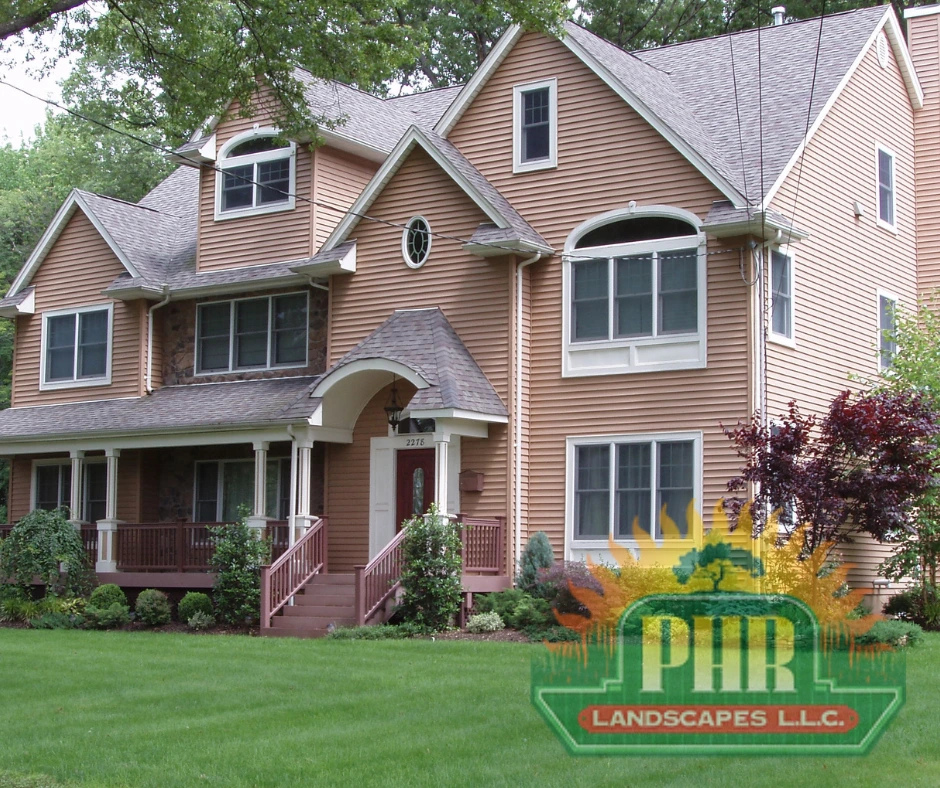
Maintaining a manicured landscape starts with consistent, professional care – and that’s where we come in!
💡 If you’re looking for a dependable, experienced landscaping services in Scotch Plains, Fanwood, Westfield, and Surrounding Areas, we’re here to help.
👉 Call PHR Today to Schedule Your Free Consultation
👉 Landscape Design in Westfield, Fanwood, Scotch Plains and Surrounding Areas
Share This Post with Friends & Colleagues

Follow us on Facebook @PHRLandscapes
Phone: (908) 322-6500
Email: sales@phrlandscapes.com
1590 E. 2nd Street, Scotch Plains, NJ 07076
